Friday Oct 02, 2026
Friday Oct 02, 2026
Tuesday, 17 March 2026 07:14 - - {{hitsCtrl.values.hits}}

By Divya Thotawatte
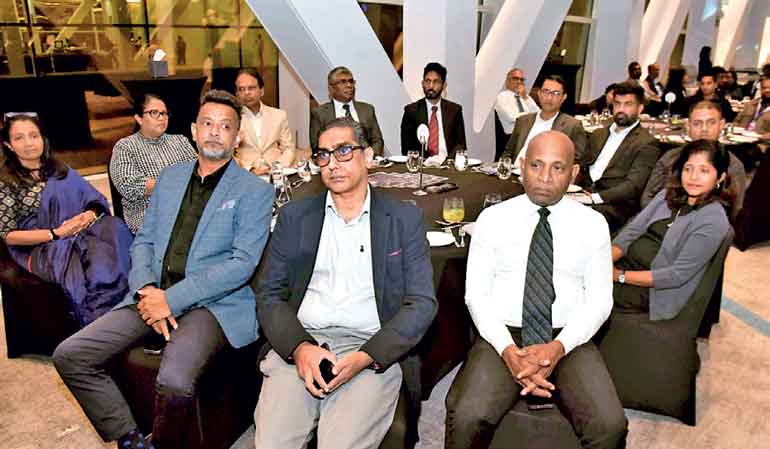
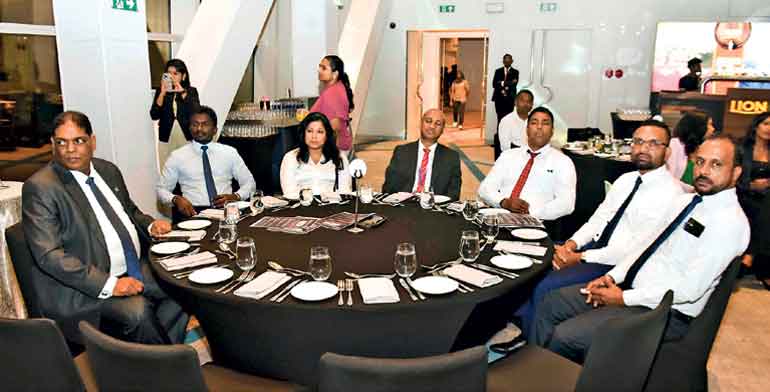
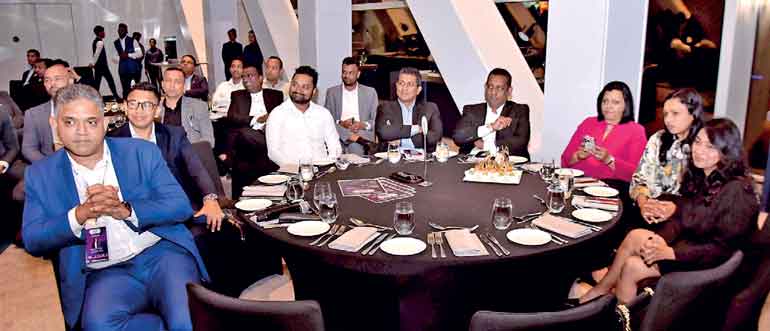
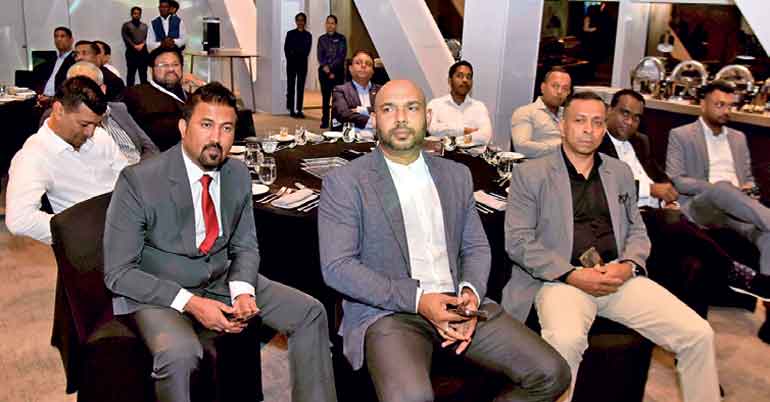
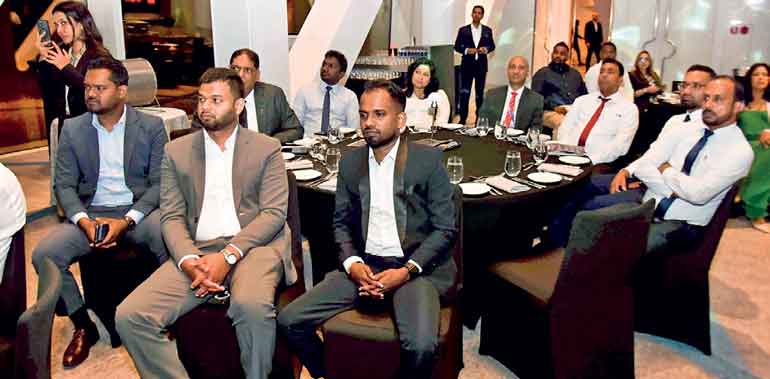
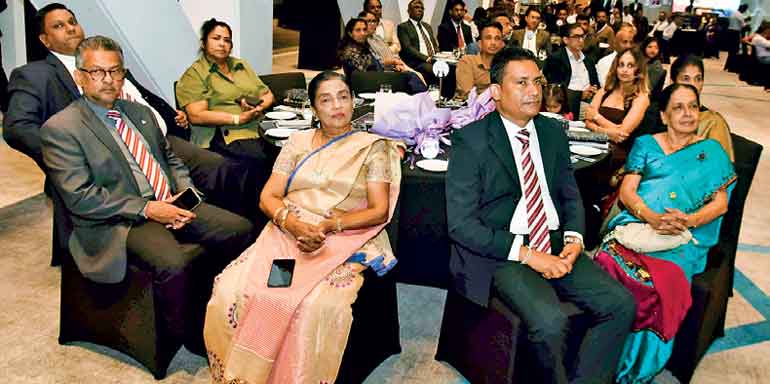
Global Biz Connect 2026, cross-industry networking platform, recently brought together business executives, entrepreneurs, and diaspora representatives to examine emerging growth opportunities in Sri Lanka›s stabilising economic environment.
Jointly organised by Junior Chamber International (JCI) Colombo Mid Town and the Old Nalandians’ Association of Australia (ONAA), the event served as a high-level platform connecting credible Sri Lankan enterprises and international markets.
The night brought together diplomatic missions, trade bodies, government representatives, multinational corporations, investors, SME leaders, and entrepreneurs, with over 100 business leaders from Sri Lanka, Australia, and beyond participating in a night of fellowship to advance cross-border trade, investment, and long-term commercial partnerships.
The evening also featured a panel representing business leaders from a broad spectrum of industries including value-added tea, confectionery, hospitality, finance and capital markets, the Sri Lankan diaspora ecosystem, medical tourism, human resources, spirits and beer, fashion, and entertainment. Discussions focused on market insights and practical strategies for scaling businesses internationally. This engaging discussion was moderated by Daily FT Editor and CEO Nisthar Cassim.
FDIs and the capital market
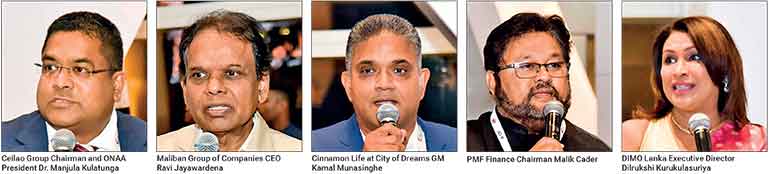
Highlighting the role capital markets could play in attracting foreign investments into Sri Lanka, PMF Finance Chairman and Securities and Exchange Commission former Director General Malik Cader said, “from a foreign direct investment (FDI) point of view, the capital market and the Colombo Stock Exchange (CSE) is the easiest way. You just press the button and the money flows into the country. Regulation is in place and that is what needs to be done.”
However, with a market capitalisation of about $27 billion, Sri Lanka still remained relatively small compared to the trillions in countries like India and Japan, he stressed.
Yet, the CSE did not fully reflect the country’s economy, he said, urging policymakers to list more state-owned enterprises. “Take the banking sector… the bulk of it is outside. Look at the insurance companies. The big boy is outside. Look at the airlines. Airlines are not listed,” he said, adding that partial listings of institutions such as state banks, insurance, and Sri Lankan Airlines could significantly contribute to attracting foreign investments into the capital market.
He also noted that ongoing tensions in the Middle East could create strategic opportunities for Sri Lanka, if the country acted quickly to position itself as a peaceful, secure second home destination for those seeking stability.
Capturing the diaspora market
Highlighting the role of overseas Sri Lankans in economic development, ONAA President and Ceilao Chairman Manjula Kulatunga said diaspora communities built over decades now represent a powerful network of capital, expertise, and global connections. Speaking about the migrant journey, he noted that leaving the country was rarely easy, but many Sri Lankans abroad remained deeply committed to their homeland.
“As a migrant when you live outside, your heart is always here,” he said, adding that the diaspora communities that have settled there for over three decades are now well-established economically. He stressed that businesses looking to engage diaspora markets must recognise that these communities expect the same service standards they experience in developed countries.
Building Sri Lanka’s tourism experience
Meanwhile, Sri Lanka’s tourism sector has demonstrated remarkable resilience, surpassing its previous peak in visitor arrivals despite the crises in recent years, said Cinnamon Hotels and Resorts Senior Vice President Kamal Munasinghe. He noted that while Sri Lanka already had a great tourism product, the focus must now shift from increasing arrivals to boost visitor spending.
“When tourists come to Sri Lanka, one of the first questions they ask is, ‘What can we do?’,” he said, emphasising how entertainment, events, and supporting services were key to a strong tourism destination. With Sri Lanka already a strong tourism brand, there was significant potential to expand visitor experiences and supporting sectors, Munasinghe said.
He also spoke of opportunities in support services for the hospitality sector, noting that Sri Lanka had only one major laundry facility despite the 6,600 hotel rooms in Colombo. There was also potential in food processing, he said, explaining that hotels continued to rely on staff to “cut, chop, and clean” vegetables. He said facilities supplying prepared produce directly to hotels could ease their operations while creating new investment opportunities.
Lifestyle industries supporting tourism
Speaking on the role of lifestyle and hospitality industries in strengthening the tourism experience, Lion Brewery Chief Sales and Marketing Officer Madhushanka Ranathunga noted that beverages, especially beer and wine, played a major role throughout the tourist journey, from airline travel to dining and entertainment.
However, he said Sri Lanka’s per capita beer consumption stood at about 7.5 litres, far below many competitive markets, and the industry’s reach was limited to about 4,000 outlets compared to about 180,000 in Vietnam due to the licencing system. Ranathunga further said that excise holidays during short tourist visits could also disrupt visitor experience, noting that tourists who come for 5-7 days may find outlets closed during their stay.
He also added that developing products rooted in Sri Lankan ingredients and culture could help create more distinctive offerings for international travellers. “Bring that localness into it… there are very unique and old recipes of Sri Lanka... We want to unearth these, bring it together with our beers and make sure there is something different when tourists visit Sri Lanka.”
Speaking on the country’s entertainment industry, 2FORTY2 Founder and Music Director Billy Fernando highlighted opportunities for international recognition with performances and live events growing both in Colombo and other parts of the country. He said that Sri Lanka still had untapped potential to position itself as a destination for global audiences, especially while packaging Sri Lankan food, culture, and experiences as a unique offering for tourists.
Opportunities in medical tourism
Addressing emerging opportunities in healthcare, Hemas Hospitals Director Dr. Pradeep Edward said, “Sri Lanka is ready for medical tourism. Sri Lanka has some of the best consultants, specialists, who are very talented, especially surgical-wise. Are we 100% well-equipped? Not really. But, if you take the major hospitals, yes, we are.”
Edward explained that while medical tourism remained active in Sri Lanka, it failed to reach its full potential. While the country previously attracted patients from markets such as the Maldives and Seychelles, there remained significant untapped potential in South Asian markets, including Bangladesh, and Sri Lanka must strategically position itself to capture these opportunities, he said.
Expanding Sri Lanka’s digital economy
Kapruka Founder and Chairman Dulith Herath noted that the country’s low adoption rate of online commerce was a major growth opportunity. According to him, only a small number of Sri Lankan consumers currently shopped online, leaving significant room for expansion in the digital economy.
“How big do you think Sri Lanka is? So that number is 3%. If it becomes 6%, that means it is 100% market growth.” He noted that neighbouring markets like India had significantly higher adoption rates, highlighting the potential for growth in Sri Lanka’s e-commerce sector.
Herath also highlighted emerging opportunities in digital services and search technologies as consumer behaviour shifted toward artificial intelligence-driven platforms. “How we discover products have fundamentally changed,” he said, noting that AI-based search tools could create new avenues for businesses to reach customers without relying only on traditional search engines and advertising platforms.
Highlighting the economic potential of creative industries, Raffealla Fashion and Photography CEO Raffealla Fernando noted that fashion and photography were often underestimated despite being key to the modern digital economy. “They are the economic drivers of the modern digital world… you go online and shop. Do you get to taste, test/fit on? No, you look at the details and then you look at the photograph.”
Fernando also stressed how beyond the designers and models, that a single fashion production could create dozens of opportunities across fields such as styling, production, visual design, editing, and creative direction. She emphasised the rise in importance of hybrid creative roles combining skills such as design, styling, branding, and public relations, especially as Sri Lankan creatives increasingly contributed to international projects in industries including film and entertainment.
Significance of the FMCG sector
Maliban Group CEO Ravi Jayawardena highlighted the importance of the fast-moving consumer goods sector to the national economy, noting that it contributed more than 20% to GDP and supported more than a million jobs.
He also pointed out that in recent years, companies operating in the sector have had to navigate multiple disruptions like the pandemic, the crop crisis, landslides and floods. “The companies who thrive under these FMCT circumstances are the companies that have a very high resilience,” Jayawardena said, stressing that in order to survive and thrive, the senior leadership of companies must adopt a mindset that sees opportunities even in times of crisis.
Dilmah Ceylon Tea Executive Director Roshan Tissaratchi highlighted how businesses should also adopt consumer-friendly approaches for better breakthroughs. He said that Sri Lanka must move beyond traditional thinking on value-addition and focus on more consumer-centric marketing.
“Value-addition is about converting our raw material to the most consumer-friendly product,” he said, explaining that converting raw tea into easy-to-use formats like tea bags introduced significant opportunities.
He noted that despite global trends, Sri Lanka still exported a large share of its tea in bulk. Of the country’s Rs. 461 billion tea exports, only around Rs. 80 billion were in tea bags, with a large share of production still exported in bulk or loose packaging, he said. Citing market research, Tissaratchi noted that globally, 55% of tea sales were now in tea bags highlighting gaps between Sri Lanka’s export formats and products and the global consumption patterns.
Human capital development
Speaking on Sri Lanka’s evolving education and talent landscape, DIMO Lanka CHRO Executive Director Dilrukshi Kurukulasuriya said Sri Lanka must rethink how it approaches human capital development in the face of migration and demographic shifts. “... the brain drain… what is not present is a systematic, convincing system for these brains to stay on and thrive in Sri Lanka.”
She noted that although the country’s population was relatively small, literacy levels, growing digital connectivity, and a young generation comfortable with technology could help Sri Lanka build competitive industries and integrate more effectively with global talent networks.
Noting the success of the networking session, JCI Sri Lanka National Vice President Annya Gunasekara announced that the second leg of Global Biz Connect will be held on 25 July 2026 in Melbourne, Australia, aimed at strengthening engagement between Sri Lankan businesses and the global diaspora.
- Pix by Upul Abayasekara