Sunday Oct 04, 2026
Sunday Oct 04, 2026
Tuesday, 2 June 2026 07:14 - - {{hitsCtrl.values.hits}}
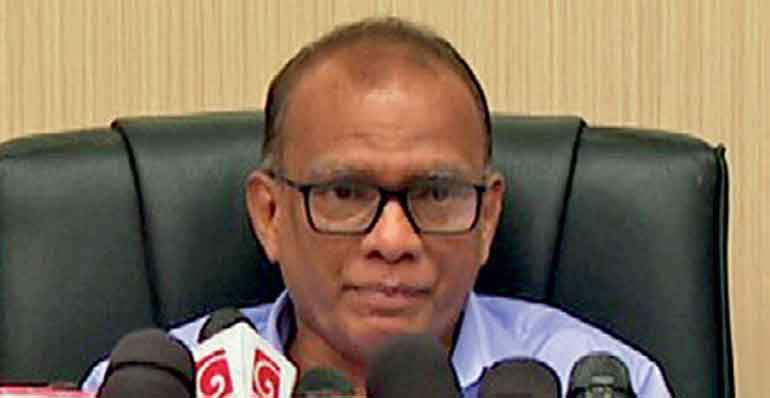
Power Minister Anura Karunathilaka
Power Minister Anura Karunathilaka yesterday defended the Government’s latest fuel price increase, arguing that the revision was unavoidable to ensure uninterrupted fuel supplies and prevent a potential collapse of the domestic fuel market amid soaring global oil prices.
Addressing the media regarding concerns over the fifth fuel price hike since February, triggered by the Middle East conflict, Karunathilaka said Sri Lanka had increased fuel prices by a smaller margin than many other countries despite facing the same global oil market pressures.
“If fuel is sold below cost for a prolonged period, it will create a massive challenge and could even lead to a market collapse,” he stressed.
The Minister noted that petrol prices in several countries had risen more sharply than in Sri Lanka following the escalation of the Mideast conflict.
According to him, petrol prices have increased by 72.5% in the Philippines, 36.2% in Nepal, 89.1% in Myanmar and 42.1% in the US. Diesel price increases in several countries have also exceeded those registered in Sri Lanka, including 43.4% in Pakistan, 80.9% in Myanmar and 61.4% in Singapore.
By comparison, Sri Lanka has raised Octane 95 petrol prices by 45.6%, Octane 92 petrol by 48.1%, Auto Diesel by 44.8% and Super Diesel by 45.3% since the first price revision following the Middle East escalation on 28 February.
“Looking at these figures, it is clear that fuel prices in Sri Lanka have increased by a smaller percentage compared to many other countries,” Karunathilaka said.
He stressed that the sharp rise in global crude oil prices had forced the Government to revise domestic fuel prices, noting that substantial Treasury support has
cushioned consumers from the full impact of higher import costs.
The Minister also expressed concern over the rapid escalation in fuel-related foreign exchange expenditure, revealing that the Ceylon Petroleum Corporation’s (CPC) fuel import bill had surged to around $ 524 million in May alone.
Sri Lanka spent $ 186 million on fuel imports in January and $ 97 million in February, $ 630.1 million in March and a staggering $ 886 million in April amid rising global prices. This also pushed the first four months’ fuel import bill up by 53.6% YoY to over $ 2.16 billion, compared to $ 1.41 billion in the same period in 2025.
Karunathilaka said the Government would intensify enforcement of the national fuel quota system, as part of efforts to contain fuel consumption and reduce pressure on foreign exchange reserves.
While the QR-based fuel distribution system introduced during the economic crisis had helped moderate consumption, he said current reductions remained insufficient to meet national targets.
“If immediate steps are not taken to curb consumption and stop the drain on foreign exchange, it will not only result in further fuel price increases, but also create a severe ripple effect across the economy,” he warned.
The Minister cautioned that the present pace of foreign exchange outflows linked to fuel imports was unsustainable and posed a broader risk to economic stability.
As a result, the CPC and the Digital Ministry will step up monitoring and enforcement of the QR quota system to ensure compliance and improve fuel management.
Karunathilaka said reducing fuel consumption had become an economic necessity as the Government seeks to minimise pressure on the balance of payments (BoP), foreign reserves and the rupee.
CPC losing Rs. 129 on every litre of diesel sold, says Chairman
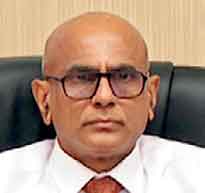 |
| D.J. Rajakaruna |
Ceylon Petroleum Corporation (CPC) Chairman D.J. Rajakaruna yesterday said the State-owned fuel supplier continues to incur substantial losses on key fuel products despite the latest price revision, highlighting the financial strain caused by soaring global oil prices.
CPC losing...
Speaking to the media, Rajakaruna said the CPC loses around Rs. 129 on every litre of Auto Diesel sold and Rs. 60 on every litre of Octane 92 petrol.
He explained that the actual cost of supplying a litre of Auto Diesel is around Rs. 536, while the retail selling price stands at Rs. 407. Similarly, a litre of Octane 92 petrol costs about Rs. 494 to supply, but is sold at Rs. 434.
Rajakaruna said the Government had absorbed a significant share of these losses in recent months through Treasury support aimed at shielding consumers from the sharp increase in international fuel prices.
“The Government has allocated around Rs. 57 billion to support fuel pricing, but those funds are expected to be exhausted by the end of June,” he said.
The CPC Chairman noted that the surge in global oil prices and the sharp increase in Sri Lanka’s fuel import bill had made a price revision unavoidable.
He warned that continuing to sell fuel at heavily subsidised rates would place additional pressure on public finances, foreign exchange reserves, and overall macroeconomic stability.
Rajakaruna also urged consumers to use fuel more prudently, cautioning that excessive consumption would increase demand for foreign currency, intensify pressure on the rupee, and ultimately raise costs across the economy.
He added that the CPC would strengthen oversight of fuel distribution through the QR code system and take action against fuel station operators who fail to comply with the required procedures.



