Thursday Oct 22, 2026
Thursday Oct 22, 2026
Tuesday, 17 March 2026 06:16 - - {{hitsCtrl.values.hits}}
Bunkering firms can procure fuel for export and tourism sectors on forex basis
The Ceylon Chamber of Commerce yesterday said that it has made several recommendations to the Government to urgently address the economic risks from the escalating Middle East Crisis.
In a statement the Chamber said: The evolving global situation and the escalating conflict in the Middle East requires coordinated measures to safeguard economic stability. The Ceylon Chamber remains ready to work with the Government in addressing potential economic risks and has outlined detailed policy recommendations.
The Chamber, in its submission of 11 March 2026, recommended a number of policy measures aimed at mitigating potential economic risks. These included prioritising the continuation of the IMF program and the timely receipt of upcoming tranches, as well as the introduction of a more dynamic fuel pricing mechanism and the re-introduction of the QR system for fuel distribution.
The Chamber is pleased to note that steps have already been taken towards implementing these fuel-related measures.
The submission also recommended expediting fuel procurement, ensuring adequate fertiliser stocks for the upcoming cultivation season, and strengthening tourism promotion efforts, particularly targeting markets such as India and East Asia. In addition, the Chamber highlighted the need to accelerate port clearance processes to improve trade efficiency and review policies that may place additional pressure on foreign exchange reserves, particularly in the current environment of global uncertainty.
Building on these recommendations, the Chamber has this week proposed several additional measures aimed at ensuring the continuity of economic activity while prioritising critical sectors.
The Chamber recommended that the Government designate a clear list of essential services and priority economic sectors to guide the allocation of key resources including fuel and foreign exchange in the event of supply disruptions.
Recommend to adopt a strategic approach to fuel procurement, including exploring supply arrangements with a broader pool of international suppliers. Ensuring the availability of aviation fuel was also highlighted as critical to sustaining inbound tourism.
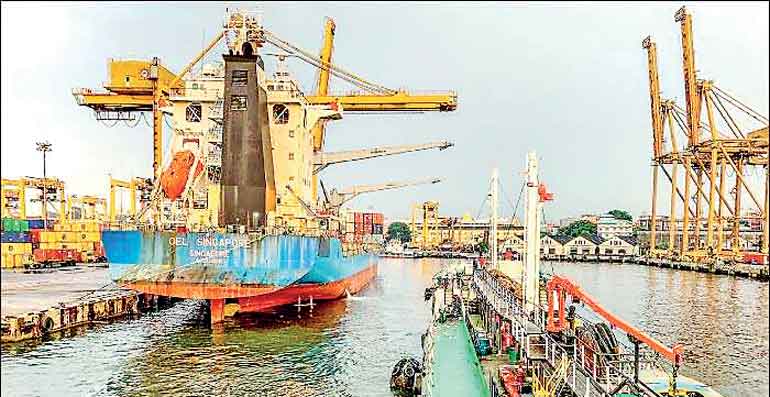
The Chamber further proposed allowing licensed local bunkering companies to procure fuel independently for supply to export-oriented industries and tourism operators, potentially on a foreign currency basis. Similar arrangements were successfully utilised during the recent economic crisis to sustain key sectors without adding pressure on domestic fuel supplies.
To help reduce fuel consumption while maintaining economic activity, the Chamber also suggested that public and private sector institutions consider flexible work arrangements, including work-from-home options where feasible. Additionally, the Government may consider bringing forward the closure of schools and universities ahead of the upcoming Awurudu holidays, while temporarily utilising online learning options where possible.
The Chamber also recommended that non-essential foreign currency outflows be temporarily limited, while prioritising foreign exchange for critical imports such as fuel, food, pharmaceuticals, and inputs required for export industries.
The Ceylon Chamber emphasised that close coordination between the Government and the private sector will be critical in navigating potential global shocks and maintaining economic stability.
The Chamber stands ready to support the Government and relevant authorities in further refining these measures and facilitating dialogue with the private sector, while also noting the importance of keeping businesses informed of policy measures under consideration to enable effective planning and response.




