Thursday Oct 15, 2026
Thursday Oct 15, 2026
Wednesday, 11 February 2026 00:24 - - {{hitsCtrl.values.hits}}
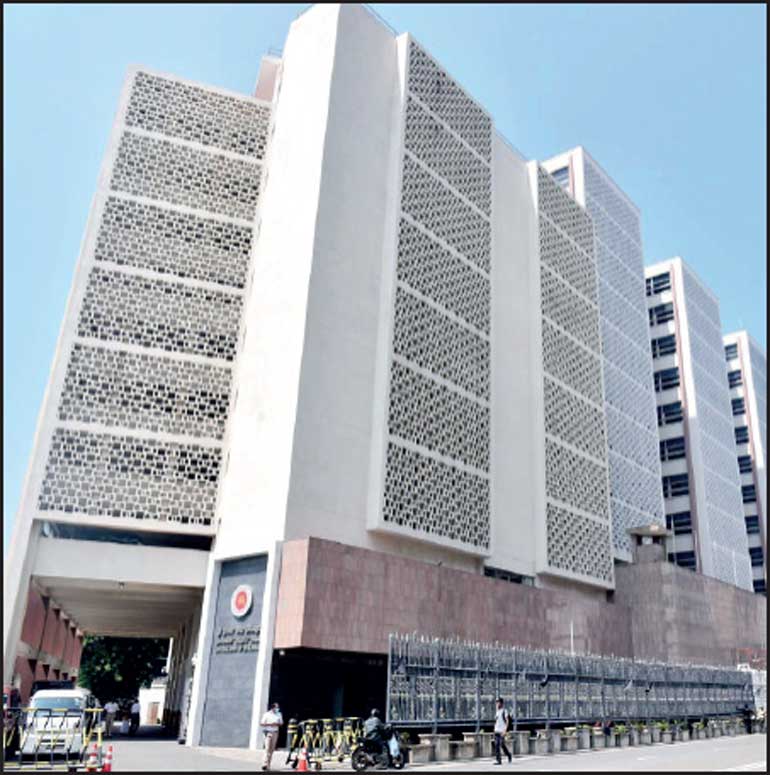
The banking sector reported an improvement in lending appetite and loan demand heading into 2026, according to the Central Bank of Sri Lanka (CBSL) Credit Supply Survey for the fourth quarter of 2025 and outlook for the first quarter of 2026, released yesterday, even as micro, small and medium enterprises (MSMEs) continue to raise concerns over access to finance and borrowing costs.
The detailed survey shows that during 4Q 2025, banks increased their willingness to lend to the retail, corporate and SME sectors, while appetite for lending to State-owned enterprises declined, continuing trends seen earlier in the year.
The CBSL attributed the improved lending stance to strong capital and liquidity positions, stable interest and exchange rates, political stability and broader macroeconomic stabilisation, alongside favourable inflation conditions and improved business sentiment.
“During 2026 1Q, the willingness to lend is expected to increase further across the retail, corporate, and SME sectors,” the Central Bank said in the survey, citing anticipated growth in business activity, improved bank liquidity and a favourable economic outlook.
Loan demand also continued to rise across retail, corporate and SME segments in 4Q 2025, supported by stable lending rates, improved consumer confidence, increased economic activity and higher vehicle imports.
The survey expects loan demand to increase further in the first quarter of 2026 across all sectors except SOEs, amid low and stable interest rates and rising investor confidence.
On asset quality, the CBSL reported that the overall number of non-performing loans declined across all sectors in 4Q 2025, marking the sixth consecutive quarter of improvement.
The decline was supported by improved cash flow generation, continued repayment support mechanisms, intensified recovery efforts and improved economic conditions, with a further reduction expected in early 2026.
However, the detailed findings point to a divergence for smaller borrowers.
While loan application rejections declined across retail, corporate and SOE segments during the quarter, rejections in the SME sector increased slightly, which the CBSL attributed to adverse weather conditions and repayment capacity constraints.
Although banks expect SME loan rejections to ease in 1Q 2026 as business conditions improve, the survey’s findings come amid growing criticism from MSMEs over access to finance, highlighting the gap between improving system-level indicators and credit conditions on the ground.
The survey’s findings come at a time when MSMEs have increasingly raised concerns over access to bank credit and the persistence of high borrowing costs, despite declining policy rates and improving macroeconomic conditions.
Industry bodies and small business operators have argued that tighter credit assessments and elevated risk pricing continue to constrain financing for smaller firms, particularly those affected by recent weather-related disruptions.
The CBSL survey reflects banks’ assessments of credit conditions rather than realised loan disbursements, highlighting a gap between improving system-level indicators and credit availability experienced by some segments of the real economy.
The survey follows a sharp expansion in private sector credit in 2025, with total outstanding borrowings rising 25.2% to an eight-year high of Rs. 10.2 trillion, according to CBSL data. Credit from domestic banking units increased 27.4% to Rs. 9.63 trillion, while borrowing from overseas banking units declined 2.4% to Rs. 581.8 billion.
Delivering the Central Bank’s annual monetary policy address in January, CBSL Governor Dr. Nandalal Weerasinghe said: “Economic growth is expected to remain around 4-5% in 2026, supported by expanding private sector credit, easing financial conditions, and improved macroeconomic buffers.”




