Tuesday Sep 15, 2026
Tuesday Sep 15, 2026
Saturday, 17 January 2026 01:19 - - {{hitsCtrl.values.hits}}
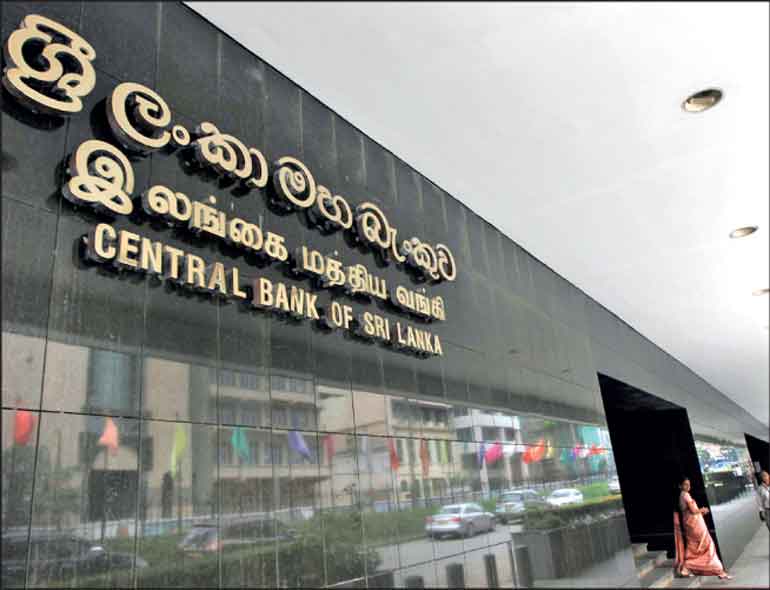
The Central Bank of Sri Lanka’s (CBSL) Policy Agenda for 2026 signals a vigilant but steady monetary stance in the year ahead, with policy rates likely to be kept on hold in early 2026 as inflation is gradually steered back toward the 5% target, according to a note by First Capital Research.
In its flash note analysing the CBSL’s newly unveiled agenda, First Capital Research said the Central Bank’s approach reflects confidence in the macroeconomic stability achieved over 2024–2025, while recognising emerging risks from post-cyclone supply disruptions and tightening liquidity conditions .
The CBSL expects inflation to return to target by the second half of 2026, with the impact of Cyclone Ditwah explicitly incorporated into its forecasts. While the accommodative stance adopted over the past year has supported private sector credit growth and economic recovery, short-term deviations in money market rates emerged toward the end of 2025 following the operationalisation of the Overnight Policy Rate mechanism.
First Capital Research noted that the Central Bank has signalled a clear preference to manage these pressures through liquidity fine-tuning rather than premature policy rate adjustments. This includes targeted market operations and a series of Statutory Reserve Ratio (SRR) reforms, such as redefining the reserve maintenance period, removing the till-cash concession and reinstating higher daily minimum reserve requirements, reversing COVID-era relaxations.
“These measures indicate a focus on preserving monetary stability while continuing to support growth, with moderate rate changes not entirely ruled out if conditions warrant,” the research note said.
From a fixed income market perspective, First Capital Research expects tighter SRR requirements to place upward pressure on short-term interest rates. However, long-term yields are likely to remain relatively anchored, supported by contained inflation expectations, ongoing fiscal consolidation and the continued build-up of external buffers.
Gross Official Reserves rose to $ 6.8 billion in 2025, the highest level since the crisis, aided by $ 2 billion in net foreign exchange purchases, while the external current account recorded a surplus for the third consecutive year.
Beyond monetary operations, the CBSL’s 2026 agenda places emphasis on financial system stability through banking sector recapitalisation and consolidation under the Master Plan Phase II, the introduction of a counter-cyclical capital buffer framework, and deeper integration of climate risk into financial supervision.
Reforms to deposit insurance, reserve management and financial inclusion are also part of the broader policy framework.
In equity markets, First Capital Research said the prevailing interest rate environment, together with expanding credit, should support an earnings recovery, particularly in consumer-linked sectors, construction and banking. It expects these sectors to benefit most from stable borrowing costs, improving demand conditions and the gradual strengthening of balance sheets as macroeconomic stability is preserved.
First Capital Research notes the CBSL’s 2026 policy agenda reflects a shift from crisis stabilisation toward resilience and reform, a stance likely to be viewed favourably by markets if policy consistency is maintained.




