Budget 2027 to stimulate business and jobs: Treasury

Wednesday, 25 November 2026 05:52 -     - {{hitsCtrl.values.hits}}

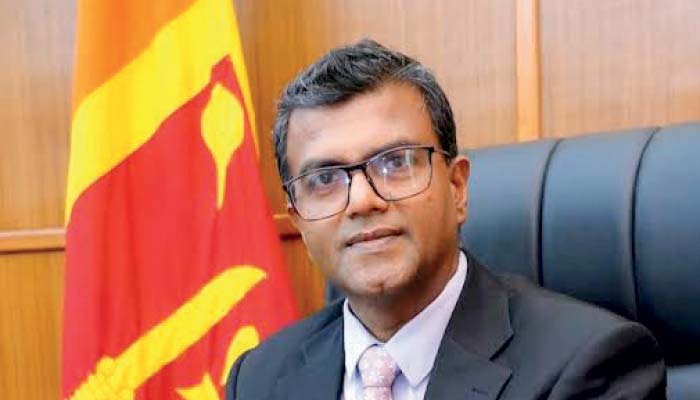
Treasury Secretary Dr. Harshana Suriyapperuma


  • Treasury Secretary said tax base to be broadened instead of raising rates
  • Rs. 2 t capex to boost business growth, investment and jobs; Rs. 174 b allocated to support SMEs
  • Public projects ranked on readiness, feasibility and economic impact; public-private cooperation needed to build buffers against external shocks

The 2027 Budget’s Rs. 2 trillion allocation for capital expenditure is expected to stimulate the business sector, improve profitability and create jobs, Secretary to the Treasury Dr. Harshana Suriyapperuma said. Capital expenditure is spending on infrastructure and other long-term assets.

Dr. Suriyapperuma was speaking on 19 November, 2026 at a post-Budget dialogue organised by the Association of International Certified Professional Accountants (AICPA) and the Chartered Institute of Management Accountants (CIMA) Sri Lanka. The theme was “The 2027 Budget and Beyond: Navigating the Future of Business and Growth”.

He said the Budget builds on the economic policy approach adopted in 2025 and 2026. He described its aim as sustaining economic stability while creating conditions for business growth, investment and job creation, and strengthening the confidence of businesses, citizens and investors.

On revenue, he said the Government will not raise tax rates. Instead it will broaden the tax base, which means bringing more people and activities into the tax net. It will also strengthen revenue collection and use digitalisation to improve efficiency. The Government expects these measures to gradually bring informal economic activity into the formal economy and to make it easier for businesses and citizens to deal with the State.

Dr. Suriyapperuma said Rs. 174 billion has been allocated in 2027 to support Small and Medium Enterprises (SMEs). The support is expected to help them build capacity, adopt new technology and machinery, access consultancy services and expand into export markets.

He said public investment projects are now being identified and funded through a more systematic process. Projects are prioritised on their readiness and feasibility, their economic impact and the value they add to the economy.

He added that cooperation between the public and private sectors is essential to make the economy more resilient to external shocks, build economic buffers and ensure fiscal stability. Economic buffers are reserves that help the economy absorb sudden shocks.

The panel included Industry and Entrepreneurship Development Deputy Minister Chathuranga Abeysinghe, John Keells Holdings Group Finance Director Gihan Cooray, Advocata Institute CEO Dhananath Fernando and KPMG Sri Lanka Chief Tax and Regulatory Officer Suresh R.I. Perera.