Wednesday Nov 18, 2026
Wednesday Nov 18, 2026
Friday, 13 November 2026 07:16 - - {{hitsCtrl.values.hits}}
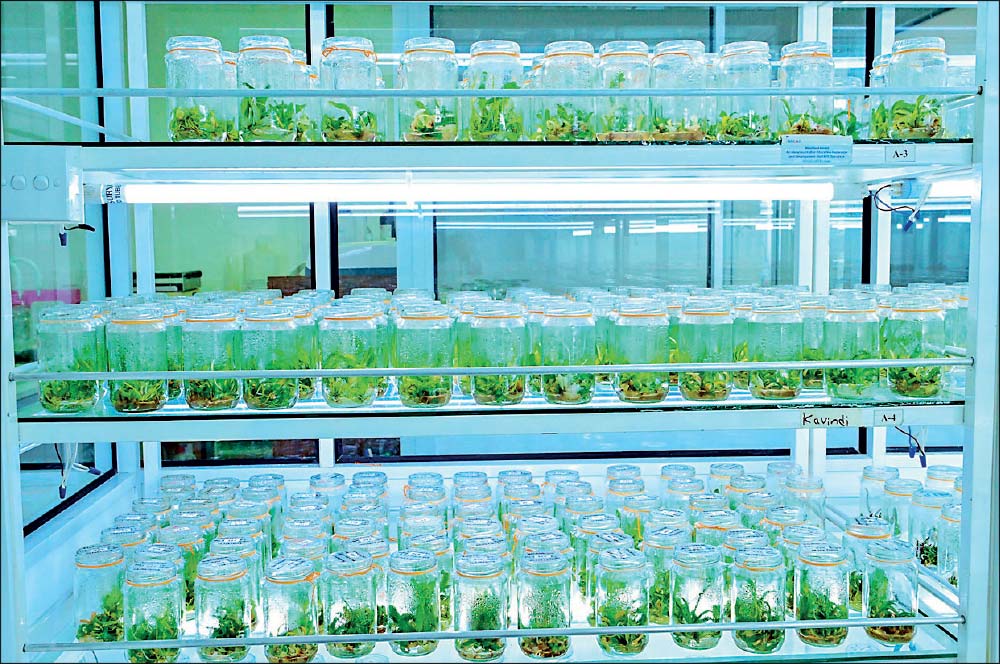
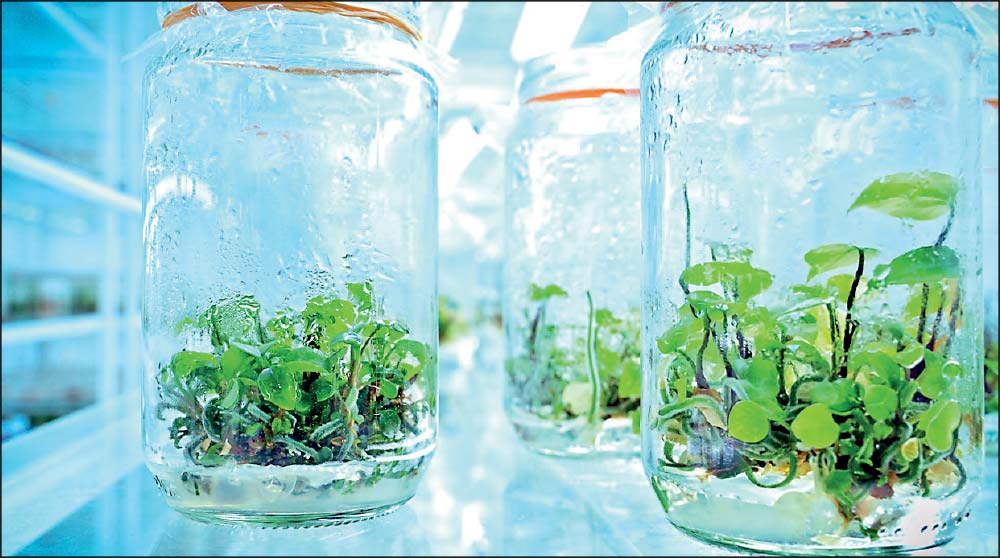
A research team at SLIIT has turned one research idea into the university’s first-ever United States patent. “Method of Making Silver Iron Titanate Nanoparticles and Uses Thereof” was published by the United States Patent and Trademark Office (USPTO) marking a celebratory moment in SLIIT’s history.
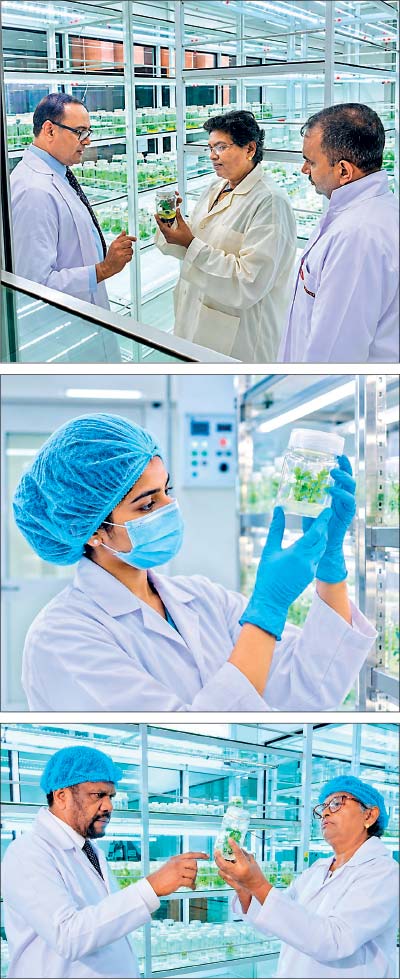 A low-cost method for making silver iron titanate nanoparticles has earned SLIIT a place on the international patent record, showing what research can achieve when it is backed from idea to patent.
A research team at SLIIT has turned one research idea into the university’s first-ever United States patent. “Method of Making Silver Iron Titanate Nanoparticles and Uses Thereof” was published by the United States Patent and Trademark Office (USPTO) marking a celebratory moment in SLIIT’s history.
The team found a simple, cost-effective way to make high-quality silver iron titanate nanoparticles from ilmenite, a titanium-iron mineral. They describe the method as a significant advance on existing ways of making these particles, and the results were tested using a range of analytical techniques.
The particles have potential uses in plant tissue culture sterilisation, environmental remediation, antimicrobial technologies, energy conversion and advanced materials engineering.
One use stands out. Plant tissue culture, which grows whole plants from segments of tissue in a laboratory, is easily ruined by contamination. Preventing contamination is a real challenge in agricultural and industrial biotechnology, and this innovation offers an effective way to do so.
“This patent reflects the dedication, creativity, and hard work of our research team. We are proud that our work has received international recognition and will contribute to innovative solutions in science and technology” said Prof. Sriyani E. Peiris who co-led this project alongside Prof. Colin N Peiris. Mr. Kasun Seneviratne, Prof. Nilwala Kottegoda and Prof. Imalka Munaweera are a part of this groundbreaking research team.
Research of this nature needs support at every stage. The team from SLIIT worked with funding from the AHEAD World Bank grant awarded to SLIIT, titled “Commercialisation of Low-Cost (CSUP) Micropropagation for Export and Production of Improved Ornamental Plants through Genetic Modifications”, under the Research Innovation and Commercialisation (RIC) category. SLIIT added its own institutional funding to continue the research and to carry the patent application through.
For SLIIT, this patent signifies more than a research milestone. It reflects the university’s commitment to excellence, and signals that its research and innovation can stand up to international scrutiny. With seven SLIIT academics recognised among the world’s top 2% of scientists on the Stanford University–Elsevier list, the patent further cements the independently examined mark of the university’s research standing. Together, they point to a research culture that aims to produce work that is rigorous, recognised beyond Sri Lanka and relevant to the country’s needs.
The achievement also holds significance for SLIIT’s students. The University seeks to provide Sri Lankan students with opportunities to participate in research of this nature. Through collaboration with academic staff on substantive research questions, students are able to contribute actively, to understand how ideas are tested and refined, and to observe how laboratory findings may be developed for practical application. This approach prepares them for careers in research and industry, and SLIIT intends to continue strengthening it.




