Tuesday Oct 20, 2026
Tuesday Oct 20, 2026
Tuesday, 20 October 2026 05:21 - - {{hitsCtrl.values.hits}}
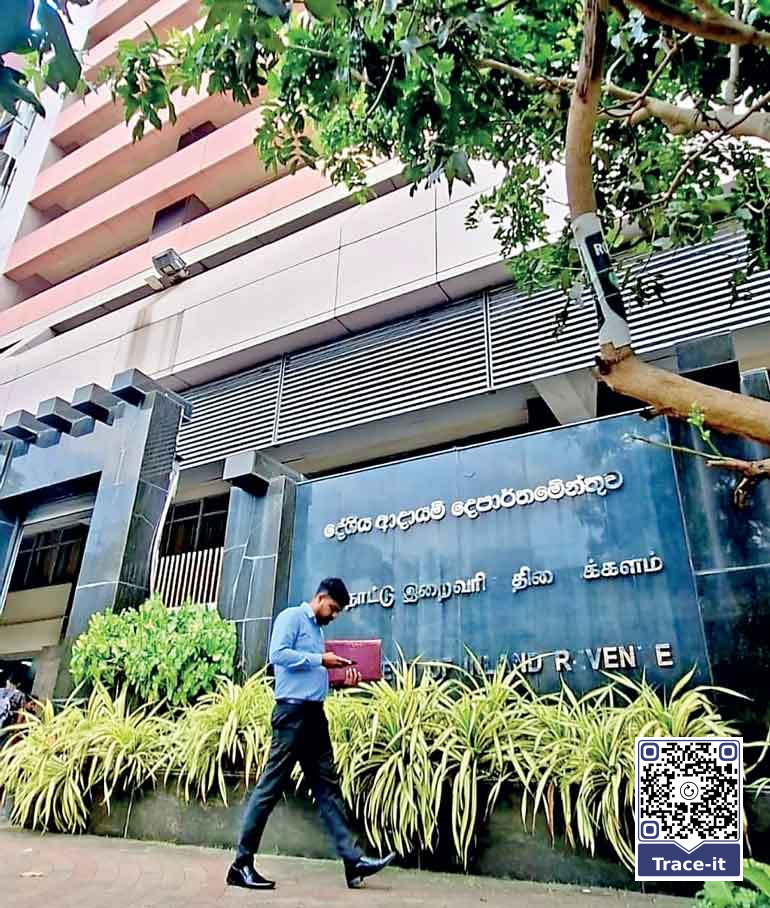
 For many people, the words “tax return” bring one thought to mind: another task to complete. It means gathering documents, checking bank statements, reviewing income and, sometimes, asking an accountant for help. But an annual tax return can be more than a compliance requirement. It is also an opportunity to understand our financial position and keep our tax affairs in order. As Sri Lanka’s tax system becomes more digital, knowing a few key terms and how they work can help taxpayers manage this process with confidence.
TIN, PIN and DIN
One of the most important is the Taxpayer Identification Number (TIN). Think of it as your identity in the tax system. It allows the Inland Revenue Department (IRD) to identify you and link your tax affairs to the correct taxpayer record. Whether you earn a salary, receive rental income or run a business, your TIN is an important reference when dealing with the tax system.
The next term is the Personal Identification Number (PIN), which is used to access the IRD’s electronic services. Many people are already familiar with secure online access through banking and other digital services. Tax administration is moving in the same direction, making it increasingly important for taxpayers to understand how to access their online tax accounts and keep their login information secure.
For companies and other organisations, tax matters may be handled by authorised staff, accountants or tax agents. This is where the Special Staff Identity (SSID) becomes relevant in the IRD’s e-Services environment. It supports access by authorised individuals who manage tax matters on behalf of a business or organisation, where applicable. The important point is to understand the distinction between the taxpayer and the person acting on the taxpayer’s behalf. Organisations should ensure that access is properly authorised and that the people managing their tax affairs understand their responsibilities.
Another important term is the Document Identification Number (DIN). When tax is payable, the IRD’s payment process may involve a Paying-in-Slip or Payment Voucher carrying a DIN. This unique reference helps identify the relevant payment document and supports the allocation of the payment to the correct taxpayer ledger. Taxpayers should follow the payment instructions provided by the IRD and retain the relevant payment details for future reference.
These four terms may initially seem like technical details. However, each serves a different purpose: the TIN identifies the taxpayer, the PIN provides access to electronic services, the SSID supports authorised access for those managing tax matters on behalf of others, and the DIN helps identify a payment document. Understanding these distinctions makes it easier to navigate the digital tax system.
It is also important to remember that filing a tax return and paying tax are two separate steps. A return reports the taxpayer’s income and tax position for the relevant period. If tax is payable, the taxpayer must also complete the payment process. Filing a return does not, by itself, settle an outstanding liability. Taxpayers should therefore check whether any payment is due, follow the relevant instructions and retain evidence of payment.
The need to understand these processes becomes clearer when we consider how people earn and manage money today. An individual may receive a salary and rental income, provide professional services outside regular working hours or operate a small online business. A business owner may have several sources of income, while a professional may earn from clients overseas. With financial activities becoming more varied, keeping track of income and supporting documents throughout the year is far easier than trying to reconstruct everything when a return is due.
This is why a tax return should not be treated as a form to complete at the last minute. It can serve as an annual financial check-up. What income did I earn? Did I receive money from other sources? Have my financial circumstances changed? Do I have the records needed to support the information I report? Asking these questions early can help taxpayers identify missing information and avoid unnecessary difficulties.
Avoidance
Often, problems arise not from a deliberate intention to avoid tax, but from simple oversights. Someone may forget to include a source of income, struggle to find an old invoice or lose the reference for a payment already made. Others may submit a return without checking whether the tax payable has been settled. Keeping organised records, reviewing income regularly and retaining payment confirmations can prevent many of these problems. Good records help taxpayers meet their obligations and provide useful evidence if questions or disputes arise later.
Digitalisation makes this habit even more important. Bank statements, electronic payment records, invoices and other digital documents can help taxpayers maintain a clear picture of their financial activities. However, these records are useful only when they are retained, organised and reviewed when needed. Taxpayers should also protect their online access details and be careful about who is permitted to use their accounts or act on their behalf.
A tax return should not be seen merely as a form to file or a bill to pay, but as part of being financially informed and responsible. By building a tax culture based on awareness, trust and shared responsibility, Sri Lanka can move towards a system that is easier for taxpayers to navigate and better equipped to serve the country
Compliance culture
These everyday practices point to a broader goal: building a tax culture based on awareness, trust and shared responsibility. Tax compliance should not be driven by fear of penalties or audits alone. People are better placed to meet their obligations when they understand what is required, know where to obtain assistance and can navigate the system without unnecessary confusion. Taxpayers, in turn, have a responsibility to provide accurate information, maintain proper records and pay the tax legally due.
The IRD also has an important role in making this possible. Digitalisation should mean more than transferring existing procedures to an online platform. It should make the process clearer, simpler and easier to follow. Clear instructions, accessible guidance and reliable electronic services can help taxpayers understand each stage, from registration and filing to payment. The aim should be to make compliance more manageable while maintaining the integrity of the tax system.
Ultimately, knowing your TIN, understanding how to access electronic services, checking who is authorised to manage your tax affairs and following the correct payment process are practical steps towards better tax management. These may appear to be small administrative details, but they help taxpayers take greater control of their own responsibilities.
We routinely check bank accounts, renew insurance policies and keep important property documents. Our tax affairs deserve similar attention. A tax return may never become an exciting annual task, but preparing it can encourage us to review our income, organise our records and understand our financial position more clearly.
As the next tax-return deadline approaches, taxpayers should remember that 30 November is the filing deadline for the relevant return. Preparing early, keeping records in order and checking the information before submission can help avoid last-minute difficulties. Instead of asking only, “How can I get this done quickly?”, it may be more useful to ask, “Do I understand my own tax affairs, and am I prepared to meet my responsibilities?”
More user-friendly and simplified online tax-return services
Looking ahead, taxpayers can expect the IRD to continue developing more user-friendly and simplified online tax-return services. The aim should be to make filing easier to understand and complete, even for people who do not have specialist tax knowledge. As these services develop, taxpayers will also need to become more familiar with using digital platforms and keeping their information up to date.
Ultimately, the success of digital tax administration depends not only on technology, but also on how well taxpayers understand and use the system. Simpler online services, clear guidance and accessible support can help people manage their tax affairs with greater confidence. A tax return should not be seen merely as a form to file or a bill to pay, but as part of being financially informed and responsible. By building a tax culture based on awareness, trust and shared responsibility, Sri Lanka can move towards a system that is easier for taxpayers to navigate and better equipped to serve the country.




