Sunday Sep 13, 2026
Sunday Sep 13, 2026
Thursday, 16 July 2026 03:27 - - {{hitsCtrl.values.hits}}
 |
| “Fragments of Men” film director and producer Amandha Amarasekara |
I recently attended the premiere of a short film “Fragments of Men” by Amandha Amarasekara. I arrived expecting to watch a film, but I left with a question that stayed with me, How many men around us are silently struggling, yet never say a word?
The film is a thoughtful exploration of the emotional lives of men and the struggles that often remain hidden beneath expectations of strength and responsibility. It reminds us that behind confidence, success, humour, and everyday routines, there can be stories of loneliness, anxiety, fear and emotional exhaustion that are rarely spoken about.
One of the most powerful moments in the film was the portrayal of a man who enters a massage parlour, not simply seeking physical comfort, but searching for something far more basic, a human connection. He is looking for someone who will listen. The scene raises an uncomfortable but important question: How many men are so emotionally isolated that they search for connection wherever they believe they might find a moment of understanding?
"Be a man"
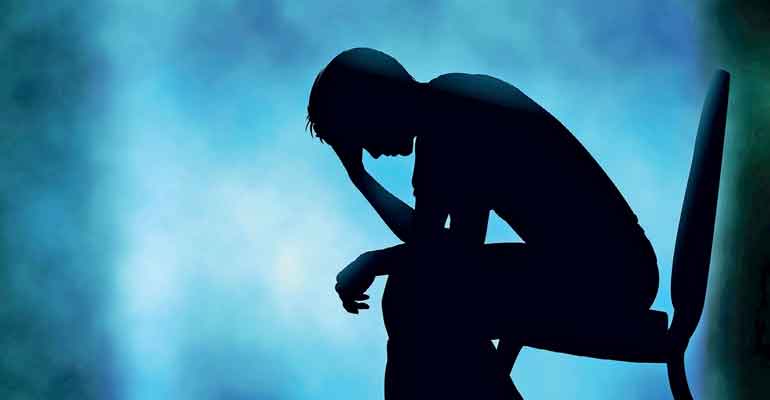
For many men, loneliness is not always visible. It may appear as silence, emotional distance, working constantly, withdrawing from others or just pretending that everything is under control. Often, what a person needs is not advice or solutions but simply a safe space where they can speak without fear of judgment.
Men's mental health remains a serious global concern. Studies have shown that men are often unlikely to seek professional help compared to women. Mental health struggles can exist behind a successful career, a cheerful personality, or someone who appears to have everything together
From childhood, many boys are taught to be strong. They hear messages such as "be a man," "don't cry," or "handle your problems." While resilience is valuable, these attitudes can sometimes create the belief that expressing emotions is a sign of weakness. Over time, many men learn to hide their struggles rather than seek support.
Serious global concern
 Men's mental health remains a serious global concern. Studies have shown that men are often unlikely to seek professional help compared to women. Instead, emotional distress may appear through anger, irritability, withdrawal, substance use or simply refusing to admit that something is wrong. The consequences can be devastating. Men die by suicide at higher rates than women in many countries, highlighting the urgent need to address the factors that prevent men from seeking help. Sri Lanka faces its own challenges. Cultural expectations often place men in the role of provider, protector, and problem-solver. Financial pressures, family responsibilities, career struggles and social expectations can create significant emotional burdens. Yet many men hesitate to talk about their difficulties because they fear being judged, misunderstood, or seen as incapable of coping. A man does not have to appear broken to be suffering.
Mental health struggles can exist behind a successful career, a cheerful personality, or someone who appears to have everything together. The person who makes others laugh may also be the person quietly carrying the heaviest burden.
Films like Fragments of Men help bring these hidden experiences into public discussion.
Vulnerability is not the opposite of strength
They challenge the idea that men must always be emotionally invulnerable. They remind us that vulnerability is not the opposite of strength, it is part of being human. Changing this culture begins with simple but meaningful actions, asking someone how they truly are and listening to the answer, creating families where emotions can be discussed openly, and building workplaces and communities where seeking mental health support is accepted rather than judged. Strength should not be measured by how much pain a person hides. Perhaps the most important message is this, being a man does not mean carrying every burden alone. Men, like everyone else, deserve understanding, support, and the freedom to say when they are struggling. Sometimes the bravest words a person can say is not, "I am strong." but "I need help."
Men die by suicide at higher rates than women in many countries, highlighting the urgent need to address the factors that prevent men from seeking help. Sri Lanka faces its own challenges
(The author holds MSc Clinical and Health Psychology (UK), BSc Psychology (MY), Adv Dip Psychology, CBT, Dip Child and Adolescent Psychology UK. She could be reached via email [email protected])
From childhood, many boys are taught to be strong. They hear messages such as "be a man," "don't cry," or "handle your problems." While resilience is valuable, these attitudes can sometimes create the belief that expressing emotions is a sign of weakness. Over time, many men learn to hide their struggles rather than seek support




