Friday Sep 25, 2026
Friday Sep 25, 2026
Thursday, 11 December 2025 05:04 - - {{hitsCtrl.values.hits}}
 Dementia challenges families in ways they never expected, but it also calls forth qualities that strengthen us, patience, resilience, and compassion. Even in moments of confusion or pain, our consistent care becomes a lifeline, reminding them that they are not alone. This is where dignity is protected and where families find purpose despite the hardships
 It is one of the most heartbreaking moments a child can face when a parent looks at them with confusion instead of recognition. That painful pause, that searching expression, marks a turning point many families fear. As Sri Lanka moves into an ageing population, dementia will become one of the most significant challenges for families, communities, and the healthcare system.
Dementia isn’t one single disease. It is a collection of conditions that affect memory, thinking, behaviour, and communication. Alzheimer’s disease is the most common type, but several others exist. Although it becomes more common with age, dementia is not something that happens to everyone; it is not simply “old age.” In the early stages, changes can be subtle—repeated questions, misplaced objects, forgotten conversations.
As time goes on, behaviour can also change. A person may forget if they have eaten their meals and insist they have not, or they may become upset or suddenly angry with the caregiver who is simply trying to help. These reactions come not from intention, but from fear, confusion, and a world that no longer feels familiar. Gradually, simple tasks like cooking, taking medication, or managing in familiar spaces becomes overwhelming. The emotional weight of this often falls on one person, the main caregiver. Usually it is a spouse, daughter, son, or close relative. The caregiver becomes the memory-keeper, the protector, the comforter. Their days stretch long, their nights are interrupted, and the constant responsibility can lead to feeling exhausted, lonely and stressed out.
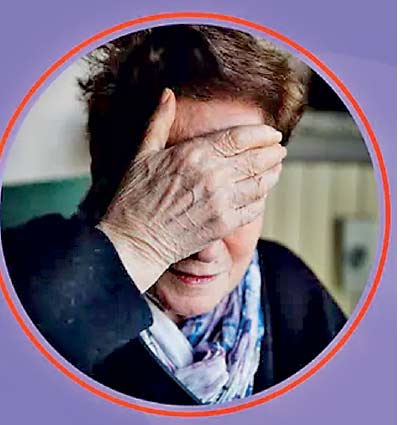 Then there are the family members who simply “drop in.” They stop by occasionally, offer advice, express concern, sometimes even criticise what is being done, then leave the caregiver to shoulder the full burden. These short visits may come from love, but without shared responsibility, they can unintentionally add pressure instead of providing relief.
True support requires time, effort, and presence, not just comments made in passing. One of the greatest misconceptions is that dementia steals away the person completely. Yet even when memory fades, emotions remain deeply alive.
Those living with dementia still feel comfort in kindness, warmth in a gentle tone, joy in music, and peace in familiar faces, whether or not they can name them. Respect, patience, and simplicity help maintain their sense of dignity, which is as important as any medical care. While there is no cure yet, certain habits can strengthen brain health or delay symptoms. Regular exercise, balanced nutrition, mental activities like reading or puzzles, staying socially connected, good sleep, and managing conditions such as diabetes or high blood pressure all help. Avoiding smoking and limiting alcohol are important as well. Early diagnosis gives families time to plan, seek therapies, counselling, and connect with support groups.
Dementia challenges families in ways they never expected, but it also calls forth qualities that strengthen us, patience, resilience, and compassion. When we respond with steady hearts and clear intention, we help the person with dementia feel safe, respected, and understood. And even in moments of confusion or pain, our consistent care becomes a lifeline, reminding them that they are not alone. This is where dignity is protected and where families find purpose despite the hardships.
(The writer holds an MSc Clinical and Health Psychology (UK), a BSc in Psychology (MY), an Advanced Diploma in Psychology, CBT certification, and a Diploma in Child and Adolescent Psychology (UK).)




