Wednesday Nov 11, 2026
Wednesday Nov 11, 2026
Wednesday, 11 November 2026 00:25 - - {{hitsCtrl.values.hits}}
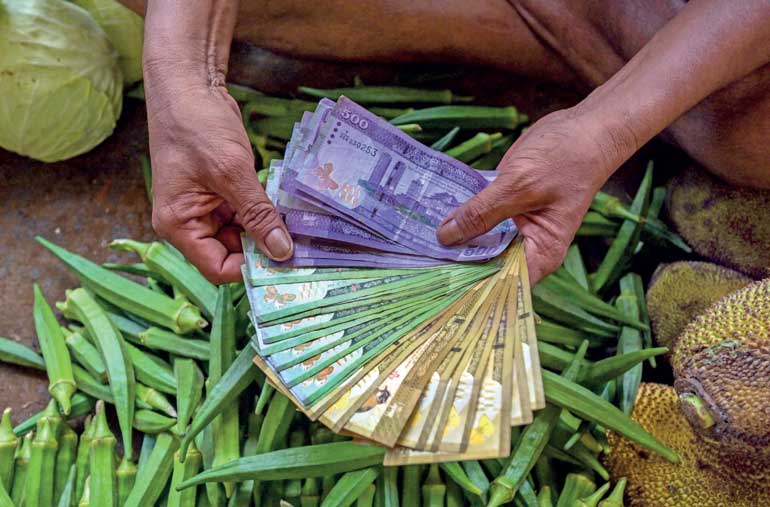
Imagine a small shopkeeper closing his shop after a busy day. A salaried employee notices deductions from a monthly salary. A mother pays taxes when she buys food, clothes and other household items. A business owner contributes while trying to keep a business alive and provide jobs. They may never read a national Budget or understand its complicated economic terms. But they share one simple expectation: the money they contribute should return to society in ways that make life better. They do not expect the Government to return the same money to their own pockets. They expect better schools for their children, reliable hospitals, safer roads, efficient public transport and more opportunities for the future.
A national Budget is a journey of public money from people to the Government, and back to society through services and development. The important question is not simply how much the Government collects or spends. It is whether people experience meaningful benefits in return.
From contributions to public services
The Government collects revenue from many sources, including income taxes, value added taxes, customs duties, fees and other levies. These resources are pooled to finance public services and national priorities. They support schools and hospitals, maintain roads, assist people in need and contribute to national development.
Public money is not an ordinary personal payment. The benefits are not expected to match each person’s contribution. A child from a low-income family may receive an education without paying school fees. An elderly person may depend on a public hospital. A village road may benefit hundreds of families who contribute different amounts to government revenue.
This is the purpose of public spending: to meet shared needs, widen opportunities and support people across society. The responsibility is to ensure that resources are allocated fairly and reach the people and communities who need them.
When spending does not become a difference
Consider a family that pays taxes but still struggles to obtain proper medical treatment. Parents may spend additional money on tuition because their children do not receive sufficient support at school. A small business owner may lose hours visiting several government offices to complete a simple task.
The Budget may have allocated money for hospitals, schools, roads and business development. But are people experiencing the improvements they expected?
A road may receive funding but remain unfinished. A hospital may acquire modern equipment without enough trained staff to operate it. A school may have a new building but lack teachers. An online service may be introduced, while people still need to visit several offices to complete an application.
In these situations, expenditure may be recorded, but the intended benefit remains out of reach. A school building matters when children learn better. Hospital equipment matters when patients receive timely treatment. A digital service matters when it saves people time and effort. The value of public spending is measured not only in money spent, but in lives changed.
This is why a Budget should be assessed beyond allocations and expenditure. It should be examined through the results people can see and experience.
Public money, public trust
People want to know that their contributions are being used responsibly. When they experience better services, fair treatment and careful management of public resources, confidence in public institutions can grow. They begin to see that their contribution has a purpose. The opposite happens when people encounter waste, delays, poor services or unfair treatment. Confidence fades, and they may begin to question whether the system deserves their trust.
This connection is particularly important in taxation. Tax collection is not only about laws, audits and penalties. People are more willing to meet their tax responsibilities when they believe the system is fair and public money is used for the country’s benefit.
The responsibility is shared, though not identical. Taxpayers are expected to comply with the law; the Government is responsible for managing public revenue wisely and delivering dependable services. A tax receipt records a contribution. The quality of public services helps people understand its wider value.
Learning from other countries
Some countries have explored ways to bring public spending closer to people’s needs.
New Zealand has applied a wellbeing approach to its Budget process since 2019. Its Treasury considers broader measures of wellbeing, including health, education, living conditions and quality of life. The message is clear: economic growth matters, but progress should also be reflected in how people live.
In Porto Alegre, Brazil, participatory budgeting gave residents opportunities to discuss community needs and influence local spending priorities. This experience showed how people could have a voice in deciding how public resources were used. It also demonstrated the importance of sustained institutional support for public participation.
South Korea offers a lesson in performance-based budgeting. Information on public programmes, including their relevance, efficiency and effectiveness, is used to inform budget decisions. This shifts attention beyond the amount allocated to what a programme is expected to achieve and whether it is delivering results.
These experiences differ, but they share a common principle: public spending should respond to people’s needs, and its results should be examined. Sri Lanka does not need to copy another country’s model. It can learn from these experiences and develop approaches suited to its own circumstances.
A practical pathway to accountability
A Budget promise should not disappear into a document, a meeting or a set of figures. It should lead to something people can see, use and feel in their daily lives.
Imagine a village waiting for a road, a mother hoping for better hospital care, or a child who needs a well-equipped classroom. They deserve to know what was promised, where the money went, what was delivered and whether life has improved.
Accountability begins when promises are clear, spending can be followed, results are honestly measured and people have a voice when something goes wrong. It is not about pointing fingers. It is about making sure public money does the job it was meant to do.
A promise made with public money must come with a result people can recognise.
Bringing the Budget closer to the people
For Sri Lanka, the challenge is not simply to allocate money, but to ensure that public spending leads to visible and meaningful improvements. This calls for clear priorities, responsible implementation, transparency and a willingness to examine whether programmes achieve their intended results. People should be able to understand what the Budget promises, how public money is used and what has been achieved. Communities should have opportunities to express their needs, while public institutions should explain their decisions and outcomes in language people can understand.
A Budget is not just a document prepared by the Government. It shapes the daily lives of people, in a child’s classroom, a patient’s hospital experience, a farmer’s access to roads, a business owner’s ability to complete a task and a family’s confidence in the future. The money goes around. But its journey is not complete when it reaches a public institution or when a project is recorded as expenditure. It is complete when the intended benefit reaches people.
Perhaps the most meaningful question we can ask about a national Budget is this: After all the money has been collected and spent, are people’s lives better?
That is the measure that matters. That is when the money truly comes back to the people.



