Wednesday Sep 16, 2026
Wednesday Sep 16, 2026
Thursday, 11 June 2026 00:21 - - {{hitsCtrl.values.hits}}
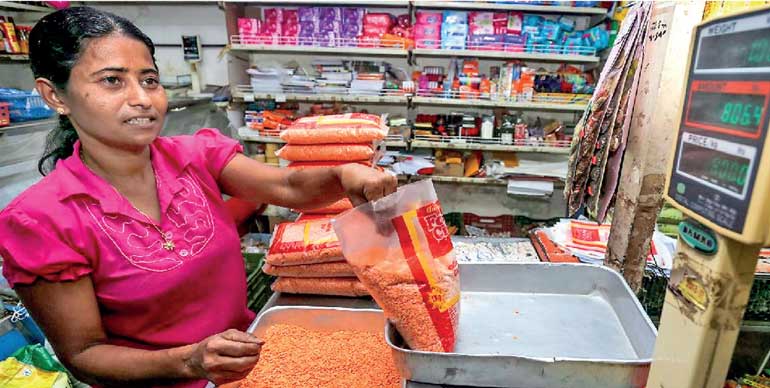
Supporting SMEs in the transition toward sustainability is important not only for environmental reasons but also for ensuring that economic recovery remains inclusive and benefits communities throughout the country
 Sri Lanka’s economic recovery remains one of the country’s most urgent national priorities. Since the economic crisis of 2022, policymakers, businesses, and international partners have focused on stabilising inflation, restructuring debt, strengthening public finances, restoring investor confidence and rebuilding foreign exchange reserves. These efforts are essential and have contributed to signs of economic stabilisation. However, economic recovery should not be measured solely by financial indicators or short-term improvements.
A truly successful recovery must create the foundations for long-term resilience, competitiveness, and inclusive growth. This is where sustainable development becomes critically important. If Sri Lanka is to build an economy that can withstand future shocks while improving the quality of life for its people, sustainability must become an integral part of national economic planning rather than a separate environmental agenda.
The global economy is changing
Around the world, economic development strategies are increasingly being shaped by sustainability considerations. Governments, investors, multinational corporations, and international financial institutions are placing greater emphasis on environmental responsibility, social inclusion, and long-term resilience. Concepts such as renewable energy, green finance, circular economies, responsible production, and climate adaptation have moved from the margins of policy discussions to the center of economic decision making.
This shift is not driven solely by environmental concerns. It is also a response to changing economic realities. Climate change, resource scarcity, energy insecurity, and environmental degradation have become significant economic risks. Countries that fail to adapt may find themselves less competitive in global markets and less attractive to investors.
For Sri Lanka, understanding and responding to this global transformation is becoming increasingly important. The country’s recovery efforts must take place within an international environment where sustainability is increasingly linked to trade, investment, and economic competitiveness.
Environmental challenges have economic consequences
Sri Lanka's economy remains highly dependent on natural resources and climate-sensitive sectors. Agriculture, fisheries, tourism, and energy production are all directly influenced by environmental conditions. As climate-related events become more frequent and severe, the economic consequences are becoming harder to ignore.
Floods damage infrastructure, disrupt transportation networks, and reduce agricultural output. Droughts affect crop production, increase food prices and place pressure on water resources. Unpredictable weather patterns create uncertainty for farmers and businesses alike. Coastal erosion and environmental degradation can threaten tourism destinations.
These challenges demonstrate that environmental sustainability is not only an ecological issue but fundamentally an economic issue. Failure to address environmental vulnerabilities can undermine productivity, increase public expenditure, weaken investor confidence, and slow economic growth.
Building resilience against these risks should therefore be considered an essential component of Sri Lanka’s economic recovery strategy.
Sustainability and export competitiveness
Sri Lanka’s export sector remains a critical source of economic growth and foreign exchange earnings. However, international markets are evolving rapidly. Consumers, investors, and regulators increasingly expect businesses to demonstrate responsible environmental and social practices.
Major export industries, particularly apparel manufacturing, are facing growing pressure to reduce carbon emissions, improve energy efficiency, manage waste responsibly, and adopt sustainable production processes. Similar expectations are emerging in agricultural exports, fisheries, and manufacturing sectors.
International buyers are increasingly incorporating environmental standards into supply chain requirements. In some markets, products that fail to meet sustainability standards may face reduced demand or encounter regulatory barriers. As a result, sustainability is becoming more than a corporate responsibility initiative. It is increasingly a requirement for maintaining access to international markets and remaining competitive in the global economy. For Sri Lanka, embracing sustainable production practices can help strengthen export performance while enhancing the country's reputation as a responsible trading partner.
The role of renewable energy
One of the most promising opportunities for sustainable economic development lies in renewable energy. Sri Lanka possesses significant potential for solar, wind, and other renewable energy sources. Harnessing these resources could generate substantial economic and environmental benefits.
The country currently spends significant amounts of foreign exchange on fuel imports. Expanding renewable energy capacity can reduce dependence on imported energy, improve energy security, and lessen vulnerability to global energy price fluctuations.
At the same time, renewable energy investments create employment opportunities across multiple sectors, including construction, engineering, technology, maintenance, and research. They also encourage innovation and attract investment into emerging industries.
A stronger renewable energy sector could therefore contribute directly to economic growth while supporting environmental objectives. It represents one of the clearest examples of how sustainability and development can reinforce one another.
Supporting Small and Medium Enterprises
Small and Medium Enterprises (SMEs) form the backbone of Sri Lanka’s economy. They generate employment, support local communities, and contribute significantly to economic activity. However many SMEs face challenges when attempting to adopt sustainable business practices.
Limited access to finance, insufficient technical knowledge, and resource constraints often prevent smaller businesses from investing in energy-efficient technologies or environmentally responsible production methods. Without targeted support, many SMEs may struggle to participate in the growing global shift toward sustainability.
Government policies can play a vital role in addressing these barriers. Access to green financing, tax incentives, training programs, and technical assistance can help businesses modernise their operations while improving efficiency and competitiveness.
Supporting SMEs in the transition toward sustainability is important not only for environmental reasons but also for ensuring that economic recovery remains inclusive and benefits communities throughout the country.
Investing in human capital and innovation
Sustainable development is ultimately driven by people. Sri Lanka’s young population represents one of its most valuable resources, and the country’s educational institutions have an important role to play in shaping a sustainable future.
Universities, technical institutes and vocational training centres should place greater emphasis on sustainability related skills, green technologies, environmental management, and innovation. Future graduates will need the knowledge and capabilities required to succeed in industries that are increasingly influenced by sustainability considerations.
Encouraging research, entrepreneurship, and innovation in areas such as renewable energy, sustainable agriculture, waste management, and climate adaptation can help create new economic opportunities while addressing national challenges.
Investment in human capital is therefore not only an educational priority but also an economic necessity.
Sustainable Development as a growth strategy
A common misconception is that sustainable development requires sacrificing economic growth. In reality, evidence from many countries suggests the opposite. Sustainable industries have become major sources of innovation, investment, and employment creation.
Green technologies, clean energy projects, sustainable agriculture, eco-tourism, and environmentally responsible manufacturing have generated substantial economic benefits in both developed and developing economies. These sectors often attract investment, create skilled jobs, and support long-term economic resilience.
For Sri Lanka, sustainable development should not be viewed as a cost or constraint. It should be viewed as a strategic opportunity to build a more competitive and future-ready economy.
A recovery built for the future
Sri Lanka has made important progress in stabilising its economy, but recovery remains a work in progress. The challenge now is to ensure that economic gains achieved today can be sustained in the years ahead.
This requires moving beyond short-term financial stabilisation and embracing a broader vision of development. Sustainable development provides a framework for balancing economic growth, social wellbeing, and environmental protection while strengthening resilience against future shocks.
Economic growth and sustainability are no longer separate policy goals. They are increasingly interconnected elements of modern economic success. Countries that recognise this reality are likely to be better positioned to attract investment, compete internationally, create employment opportunities, and improve living standards.
As Sri Lanka charts its path forward, integrating sustainability into national development planning may prove to be one of the most important investments the country can make. A recovery built on sustainable foundations will not only protect the environment but also strengthen economic competitiveness, enhance resilience, and create lasting prosperity for future generations.
(The author holds a Bachelor of Arts (Hons) in International Relations from the University of Colombo and currently pursuing a Master of Management Studies. Her interests include international relations, sustainable development, public policy and economic development)




