Wednesday Oct 21, 2026
Wednesday Oct 21, 2026
Friday, 4 September 2026 00:08 - - {{hitsCtrl.values.hits}}
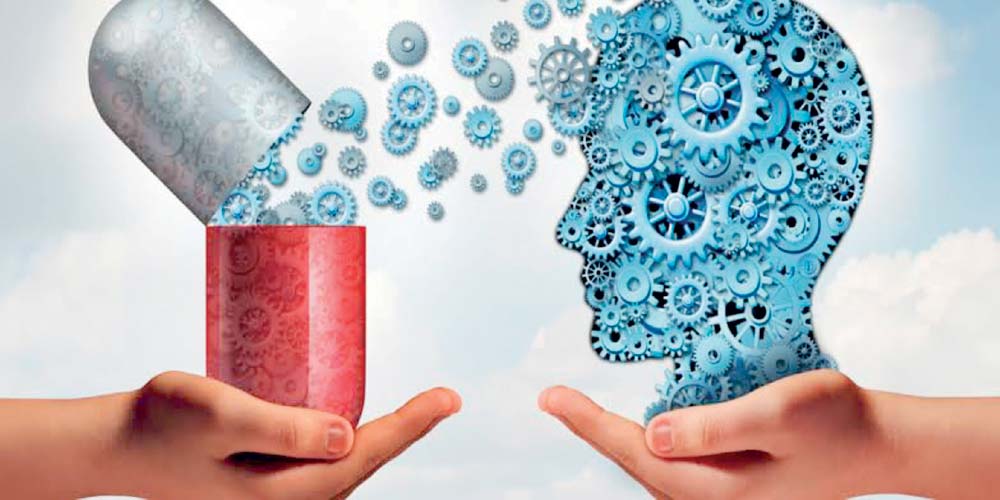
 Recognising addiction as a health issue can help reduce stigma and encourage people to seek healthcare, psychological support, rehabilitation, and social services. Treatment is more effective when it addresses both substance use and underlying mental-health difficulties
 Recent reports have raised serious concern over the impact of drug and alcohol use in Sri Lanka, with claims that substance-related causes are linked to nearly 100 deaths every day. These figures highlight the urgency of addressing substance abuse as a public-health and mental health issue. Behind every statistic is a person, a family, and a community affected by addiction. Substance abuse is not only a physical health problem, it is closely connected to mental health, poverty, family difficulties, unemployment, trauma and social inequality.
Substance abuse and mental health are closely connected. Some individuals may use alcohol or drugs to cope with stress, anxiety, depression, trauma or other emotional difficulties. While substances may provide temporary relief, they can worsen mental health problems over time. Prolonged use can contribute to mood changes, anxiety, depression, sleep problems, poor concentration and difficulty controlling emotions. This can create a harmful cycle in which a person experiences psychological distress, turns to substances to cope, faces further problems because of substance use and then relies on substances again.
Young people are an important group when discussing substance abuse in Sri Lanka. Peer pressure, curiosity, family problems, academic stress, unemployment and social influences can increase their vulnerability. Prevention therefore requires more than simply warning young people about drugs. Schools, families, and communities can help young people develop healthy ways of managing stress and create safe environments where they can discuss their difficulties.
Another major challenge is stigma. People with substance use problems may be judged as irresponsible, dangerous or lacking self-control. This can prevent them from seeking professional help.
Recognising addiction as a health issue can help reduce stigma and encourage people to seek healthcare, psychological support, rehabilitation, and social services. Treatment is more effective when it addresses both substance use and underlying mental-health difficulties.
Counseling, medical care, rehabilitation, and family support can all contribute to recovery. Family and community support are also important. Families can encourage individuals to seek professional help without judgment, while also seeking support for themselves. Schools, healthcare services, community organisations, and Government institutions can contribute through prevention and awareness programs. Education, employment, recreation and social connection can also help reduce some of the factors associated with substance misuse.
Substance abuse affects far more than the individual. Its consequences can spread through a family like a ripple in water, touching relationships, emotional well-being, finances and the lives of those closest to them. What begins as one person’s struggle can leave lasting effects on many others. Yet recovery remains possible when people are met with understanding rather than judgment.
(The author holds an MSc in Clinical & Health Psychology (UK); BSc Psychology (MY), Adv Dip Psychology, CBT, Dip Child and Adolescent Psychology (UK))




