Thursday Oct 15, 2026
Thursday Oct 15, 2026
Monday, 6 April 2026 03:22 - - {{hitsCtrl.values.hits}}
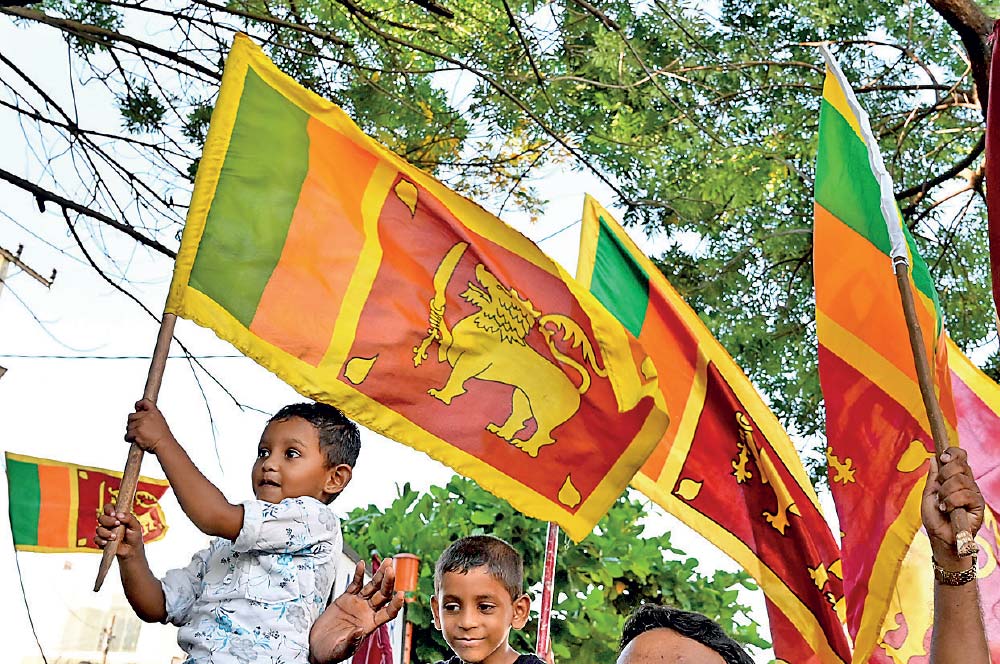
 Recognising that it is not a comprehensive solution, the World Happiness Index can nevertheless act as an important indicator in guiding a paradigm shift in how we approach education and economic development. For a country seeking to reposition itself globally, Sri Lanka must adopt stronger, more effective strategies across multiple sectors
 In recent years, Sri Lanka has experienced a succession of overlapping challenges that have tested its resilience. Cyclone Ditwah struck Sri Lanka in November last year, significantly disrupting the normal lives of its citizens. The infrastructure damage is much more serious than the tsunami. According to World Bank reports and preliminary estimates, the losses amounted to approximately $ 4.1 billion, nearly 4% of the country’s Gross Domestic Product. Before taking a break from that, the emerging crisis in the Middle East has once again raised concerns about potential economic repercussions. In particular, those already affected by disasters such as Cyclone Ditwah risk falling “from the frying pan into the fire,” facing multiple hardships simultaneously.
Currently, we see fuel prices rising, four-day workweeks, a higher cost of living, increased pressure on household incomes, and a reduction in the overall standard of living for ordinary citizens. It would certainly affect people’s happiness.
Happy and fulfilling lives
As human beings, we naturally aspire to live happy and fulfilling lives. At a time when the world is increasingly talking about happiness and wellbeing, the World Happiness Report provides a useful way of looking at how countries are doing. The World Happiness Report discusses global well-being and offers strategies to improve it. The report is produced annually with contributions from the University of Oxford’s Wellbeing Research Centre, Gallup, the UN Sustainable Development Solutions Network, and other stakeholders. There are many variables taken into consideration for the index, including the core measure (Cantril Ladder) and six explanatory variables (GDP per Capita, Social Support, Healthy Life Expectancy, Freedom to Make Life Choices, Generosity, Perceptions of Corruption), with a final comparison.
World Happiness Report 2026
According to the recently published World Happiness Report 2026, Sri Lanka ranks 134th out of 147 nations. As per the report, this is the first time that Sri Lanka has suffered such a decline. Sri Lanka currently trails behind most of its South Asian neighbours in the happiness index.
The World Happiness Report 2026 attributes Sri Lanka’s low ranking (134th) to a combination of persistent economic struggles, social challenges, and modern pressures on younger generations.
The 2026 report specifically noted that excessive social media use is a growing factor contributing to declining life satisfaction among young people globally, including in Sri Lanka. This calls for greater vigilance and careful reflection. These concerns should be examined alongside key observations, particularly in the context of education reforms in Sri Lanka, which must look beyond their immediate scope and engage more meaningfully with the country’s future.
Generation Z
In recent years, a series of events has triggered political upheaval in countries such as Nepal, characterised by widespread protests, government collapse, and the emergence of interim administration. Most reports and news outlets described this as “Gen Z protests.”
First, we need to understand what Generation Z is and its key attributes. Born between 1997 and 2012, Generation Z represents the first truly “digital native” generation—raised not just with the internet, but immersed in it. Their lives revolve around digital ecosystems: TikTok sets cultural trends, Instagram fuels discovery, YouTube delivers learning, and WhatsApp sustains peer communities. This constant, feed-driven engagement shapes not only how they consume content but how they think, act, and spend. Tech-savvy and socially aware, Gen Z holds brands to a higher standard. For them, authenticity, transparency, and accountability—especially on environmental and ethical issues—aren’t marketing tools; they’re baseline expectations. We can also observe instances of them becoming unnecessarily arrogant in making quick decisions and becoming tools of some harmful anti-social ideological groups. However, we must understand that any generation should have proper education about certain aspects of the normal world, such as respecting others, listening to others, and living well.
Youth health behaviour
More interestingly, a global survey by the McKinsey Health Institute, covering 42,083 people across 26 countries, finds that Gen Z reports poorer mental health than older cohorts and is more likely to perceive social media as harmful.
Youth health behaviour in Sri Lanka reveals growing concerns in mental health and wellbeing. Around 18% of youth (here, school-going adolescents aged 13-17) experience depression, 22.4% feel lonely, and 11.9% struggle with sleep due to worry, with issues rising alongside digital exposure. Suicide-related risks are significant, with notable proportions reporting thoughts, plans, and attempts, particularly among females. Bullying remains a significant concern, particularly among males, with cyberbullying emerging as a notable issue. At the same time, substance use is increasing, including tobacco, smokeless tobacco, and e-cigarettes.
A National Youth Empowerment Day
These trends highlight the urgent need for targeted interventions to support youth mental health, resilience, and healthier behavioural outcomes in Sri Lanka.
We need to create a forum in Sri Lanka to keep young people informed about this. Sri Lanka can designate a date (like 25 April) as a National Youth Empowerment Day to strengthen youth mental health and suicide prevention efforts. This should be supported by a comprehensive, multi-sectoral strategy aligned with basic global guidelines. Key priorities include school-based emotional learning, counselling services, and mental health training for teachers and parents. Strengthening data systems, reducing access to harmful means, and promoting responsible media reporting are essential. Empowering families and communities through awareness and digital tools will ensure this day becomes a meaningful national call to action.
Conclusion
Sri Lanka must carefully understand and respond to the challenges arising from its ongoing changes. Sri Lanka should establish an immediate task force comprising responsible stakeholders to engage in discussions on ongoing concerns. Recognising that it is not a comprehensive solution, the World Happiness Index can nevertheless act as an important indicator in guiding a paradigm shift in how we approach education and economic development. For a country seeking to reposition itself globally, Sri Lanka must adopt stronger, more effective strategies across multiple sectors. Building a resilient and prosperous future requires sound policymaking and clear strategic direction.
(The author is a Professor in Management Studies at the Open University of Sri Lanka. He could be reached via email at [email protected] )




