Thursday Oct 22, 2026
Thursday Oct 22, 2026
Tuesday, 23 December 2025 02:26 - - {{hitsCtrl.values.hits}}
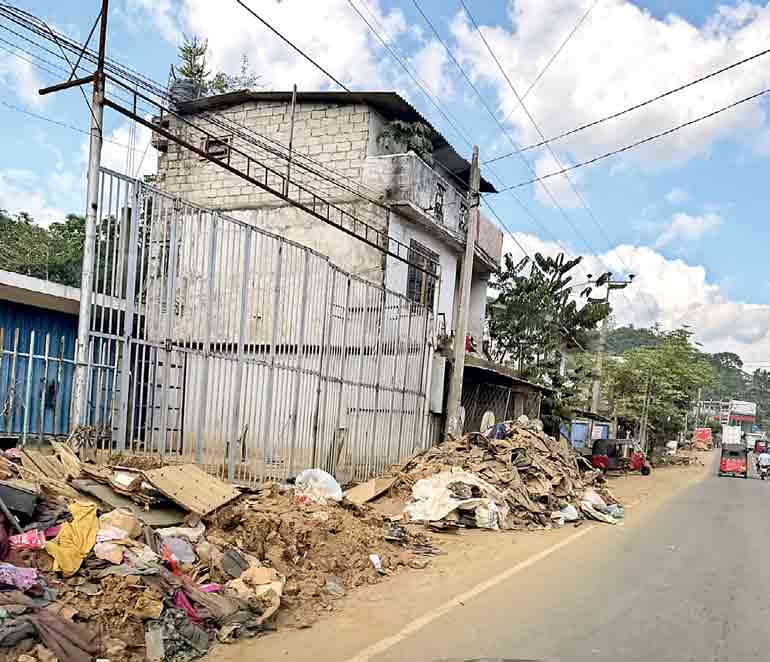
The Mahaveli River, which flows through the area, overflowed its banks in some areas, compounding the damage caused by heavy rainfall and high winds
Over the past few weeks, I have visited several areas affected by the recent cyclone. While signs of normalcy are gradually returning, the impact remains clearly visible. Damaged roads, disrupted utilities, flooded premises and broken supply chains are stark reminders of how vulnerable our local economies are to climate-related shocks. An estimated 2.3 million people – more than half of them women – were living in areas flooded by Cyclone Ditwah that struck Sri Lanka on 28 November. For many businesses—particularly small and medium enterprises (SMEs)—this cyclone has struck at a time when they were only just beginning to recover from two severe blows: the COVID-19 pandemic and the subsequent economic meltdown. Rebuilding after such a disaster cannot be viewed narrowly as a relief exercise. It must be approached as a broader economic recovery and resilience-building effort. This will require close collaboration between the state and the private sector, with clarity of roles, speed of execution and a shared sense of urgency.
 Restoring the foundations of economic activity
The immediate priority must be the restoration of critical infrastructure. Roads, bridges, electricity, water supply and telecommunications form the backbone of commercial activity, which is getting restored . Without their swift rehabilitation, even well-intentioned financial assistance to businesses will fail to translate into real recovery. Infrastructure repair must therefore be treated not merely as a public works function, but as an essential enabler of livelihoods and local commerce. Beyond physical infrastructure, attention must turn quickly to rebuilding livelihoods. Many SMEs in the affected areas operate with very limited financial buffers. A few weeks of disruption can erase months, if not years, of hard-earned progress. These enterprises employ a significant share of the local workforce and are deeply embedded in regional value chains—spanning agriculture, transport, tourism, retail and light manufacturing. Supporting them is not only about saving individual businesses; it is about stabilising entire local economies.
Targeted support for SMEs
According to data released 13,698 businesses have been affected so far. The breakdown is 5,639 micro enterprises, 4,636 small businesses, 2,986 medium-scale firms, and 437 large businesses . Many of these enterprises are concentrated in flood-prone districts, what SMEs need at this stage is targeted handholding rather than generic relief. Access to working capital at concessional terms, temporary moratoriums on existing loans, and flexible repayment structures will be essential. Equally important is speed. Assistance that arrives too late often comes after businesses have already shut their doors. Financial institutions, regulators and development agencies must therefore work together to design simple, fast-tracked mechanisms that recognise the extraordinary circumstances faced by affected enterprises. Financial support alone, however, will not be sufficient. Many businesses have lost equipment, inventory and, in some cases, their premises altogether. Insurance penetration remains low, and claims processes are often slow and complex. This underscores the need for stronger public–private solutions, including risk-sharing instruments and disaster-linked financing frameworks that can be activated quickly when such events occur.
The role of the private sector
The private sector’s role must extend beyond Balance Sheets. Larger corporates can support affected SMEs through supply-chain financing, assured off-take arrangements and technical assistance. Chambers of commerce and industry bodies can act as vital coordination platforms, helping to channel support to where it is most needed and avoiding duplication of effort. At a broader level, the cyclone serves as a reminder that climate resilience must become a core component of our economic planning.
Rebuilding should not simply aim to restore what was lost, but to improve standards—through stronger infrastructure, better land-use planning and more resilient business models. This is especially important in regions that are increasingly exposed to extreme weather events. Sri Lanka has endured multiple shocks in recent years, and the resilience of its entrepreneurs and workers has been remarkable. With timely and coordinated action between the state and the private sector, we can ensure that this latest disaster does not reverse hard-won gains, but instead becomes a catalyst for building stronger, more resilient local economies.
Reference
https://www.sundaytimes.lk/251214/business-times/smes-needed-a-national-sme-reconstruction-fund-624166.html
https://ceylonpublicaffairs.com/rebuilding-after-the-cyclone-with-people/
https://www.worldbank.org/en/news/press-release/2025/12/12/the-world-bank-group-statement-on-sri-lanka-following-cyclone-ditwah
https://www.undp.org/asia-pacific/press-releases/one-fifth-sri-lanka-inundated-cyclone-ditwah-undp-analysis
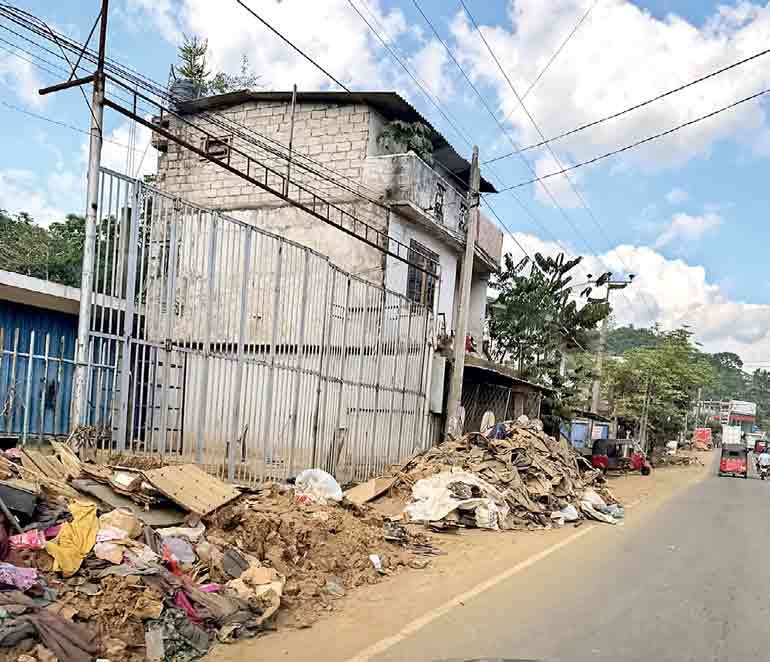
Gampola was one of the areas most severely affected by the cyclone




