Monday Oct 12, 2026
Monday Oct 12, 2026
Wednesday, 3 June 2026 00:28 - - {{hitsCtrl.values.hits}}
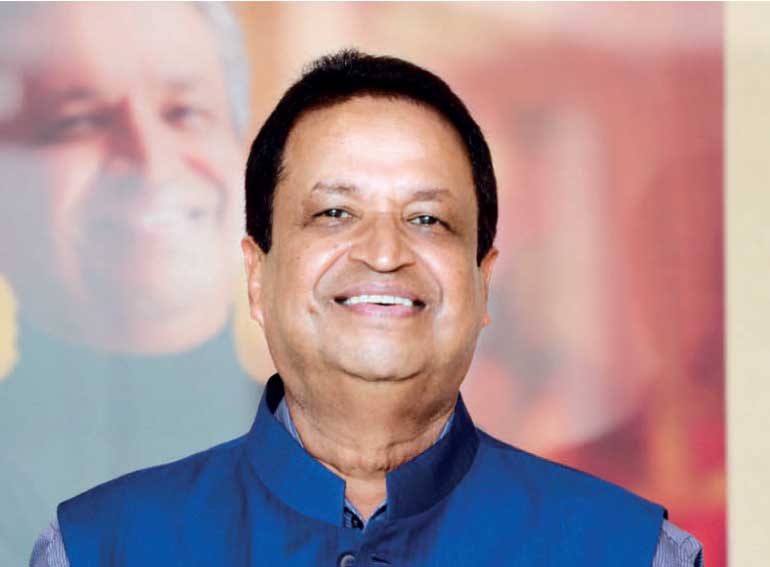
Binod Chaudhary is Nepal’s first and only Forbes’ billionaire and Chaudhary Group Chairman
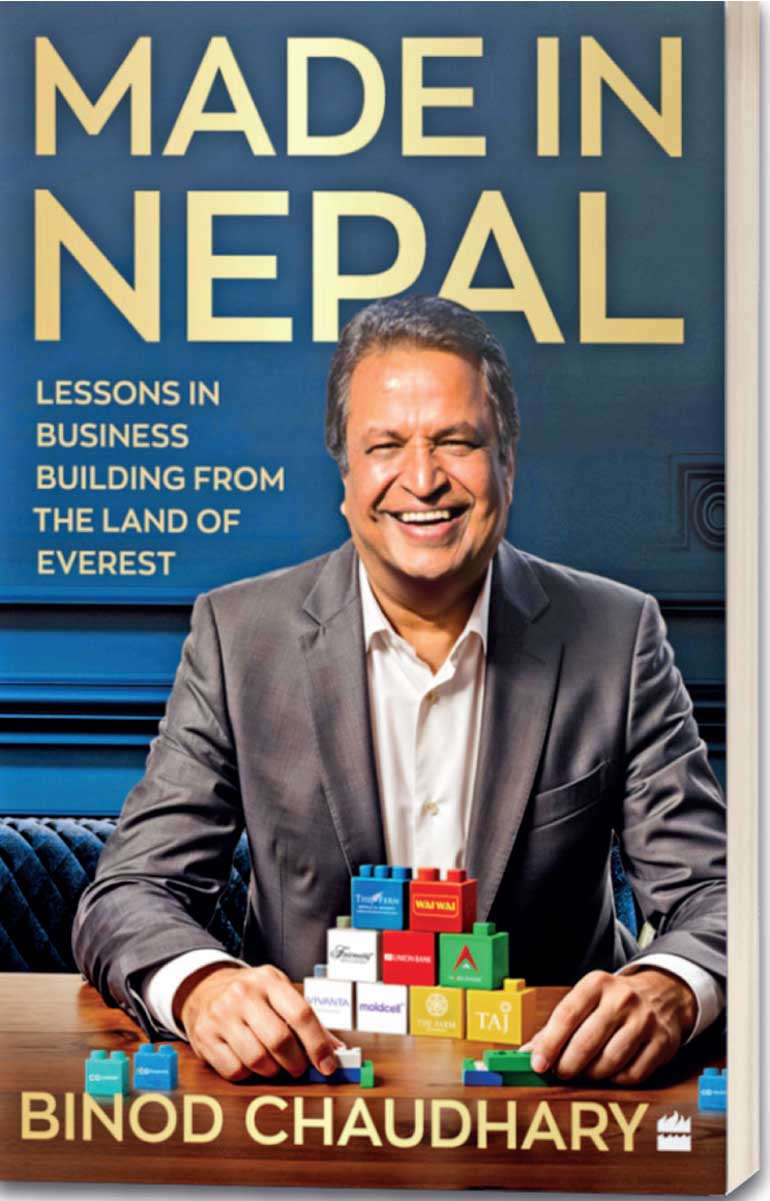
Made in Nepal is the second book by Binod Chaudhary
 Entrepreneurial memoirs occupy a peculiar place in the publishing world: they promise access to the thinking of powerful business figures, yet they are also, inevitably, acts of self-presentation. Made in Nepal (HarperBusiness, 2025), the memoir of Binod Chaudhary, sits squarely in that tradition. It tells the story of how Chaudhary helped transform a modest family enterprise into CG Corp Global, the multinational group associated popularly with the Wai Wai, an instant noodle brand that has seen unprecedented rise over the years. But it also raises the familiar question that readers often bring to such books: how much of the story is reflection, and how much is PR management?
Chaudhary begins with family history. The Chaudharys, he writes, were traders long before they became industrialists. These early passages are among the most vivid in the memoir, partly because they evoke a Nepal that feels very different from the one readers encounter later in the book—a slower, less globalised economy built on personal relationships rather than corporate scale.
The young Chaudhary himself does not initially appear destined to run a multinational company. He admits to being an indifferent student, more interested in games with friends than academic success. The anecdotes about skipping school or drifting through childhood with only vague ambitions are refreshingly candid. They also serve an obvious narrative function: the reader sees how far the protagonist eventually travels from these beginnings.
The book’s central business story—how Chaudhary expanded the family enterprise into a multinational conglomerate despite the limitations—is recounted with the confidence of someone who has told the story many times before. The rise of Wai Wai noodles forms an important part of this narrative, but it is only one piece of a much broader expansion into sectors ranging from hospitality to finance.
To his credit, Chaudhary does not pretend that these developments occurred smoothly. He acknowledges the unpredictability of operating in Nepal during periods of political instability and economic transition. The memoir touches on the Maoist insurgency, shifting government policies, and the logistical challenges of building infrastructure in a mountainous country.
At the same time, Made in Nepal remains very much the author’s version of events. The narrative tends to emphasise determination, vision, and perseverance—qualities that undoubtedly played a role in Chaudhary’s success. Yet the memoir rarely pauses to examine the less flattering aspects of large-scale corporate growth: internal conflicts, strategic miscalculations, or public criticism.
This is not unusual for a business autobiography, but it does shape how the book reads. The tone is generally confident, sometimes bordering on celebratory.
Another noticeable feature is the book’s tendency to move quickly across decades of business development. Major ventures and expansions occasionally pass by in a handful of pages. While this keeps the narrative brisk, it also means that some of the most consequential decisions receive surprisingly little analytical attention.
Yet, the memoir has undeniable strengths. Chaudhary writes in a direct and accessible style, avoiding the dense jargon that often plagues corporate literature. His reflections on leadership, risk, and adaptability are thoughtful, particularly when he discusses the uncertainties of operating in emerging markets.
The chapters describing national crises—natural disasters, economic disruptions, and the global pandemic—are especially compelling. Here the memoir shifts from corporate storytelling to something closer to social history. The reader sees how businesses, governments, and communities intersect and respond during moments of upheaval.
Chaudhary presents his story as evidence that globally competitive companies can emerge from places often overlooked by international investors and media. That claim is persuasive, given Nepal does not often appear in discussions of global capitalism, Chaudhary’s success challenges that absence.
Ultimately, Made in Nepal is best read with a degree of critical distance. It is not an investigative history of CG Corp Global, nor does it attempt to be. Instead, it is the account of a businessman reflecting on the journey that brought him prominence.
For readers willing to accept those limitations, the book offers a fascinating glimpse into the mindset of an entrepreneur who built a global enterprise from an unlikely and unconventional starting point.
(The author is currently the Chairman of Trinity Steel Ltd., and former Chairman of Associated Motorways PLC, Ceylon Chamber of Commerce, National Chamber of Commerce, HelpAge International UK, Carson Cumberbatch PLC and a former Member of the Monetary Board of Sri Lanka)




