Tuesday Sep 29, 2026
Tuesday Sep 29, 2026
Tuesday, 29 September 2026 00:29 - - {{hitsCtrl.values.hits}}
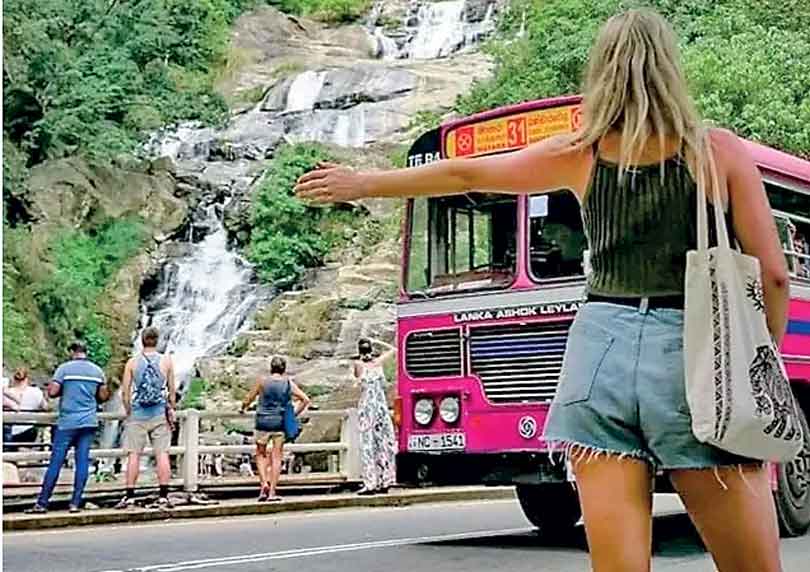
 I have been visiting Sri Lanka for decades. But my recent trip left me angry, exhausted, and deeply embarrassed.
As a Sri Lankan Australian, I love exploring the country using public transport. But during my recent trips in July and August, it became crystal clear: our public transport isn’t just an inconvenience anymore—it’s a national crisis.
Here’s what happened to me in just one week:
Matara to Colombo Train: Jam-packed before it even arrived. I stood for five straight hours—at one point balanced on a single foot. An elderly woman fainted in the crowd. By the end, de-hydration and the smell had me on the verge of vomiting.
Arugam Bay to Matara Bus: The only bus of the day (6:30 a.m.) I stood for three hours straight with baila music blasting from four speakers at unbearable volumes.
Foreign tourists on board were visibly shocked. But this isn’t just about tourist comfort—it’s about the safety and basic dignity of Sri Lankans every single day.
Tourists who take trains, buses, and tuk-tuks aren’t looking for “cheap travel”—they want the authentic Sri Lanka. Their money goes directly into local communities. But when they face over-crowded trains and buses, unmetered tuk-tuks, and intimidation, the whole nation suffers.
Decades of underinvestment built this problem, but the current Government must step up to fix it.
Here are eight urgent steps needed right now:
1. Enforce maximum passenger limits on trains and schedule extra carriages and services ahead of predictable peak periods, including Poya weekends.
2. Introduce premium or reserved seating on popular tourist rail routes, with revenue reinvested into improving services.
3. Enforce noise standards on public buses to improve passenger comfort and safety.
4. Regulate three-wheeler and private bus fares, meters, and driver conduct through regular spot checks and ad-hoc inspections.
5. Create a simple, highly visible reporting system for citizens and tourists to report serious transport service failures.
6. Modernise and refresh private bus fleets through standardised colours and livery to improve appearance and image.
7. Appoint dedicated transport improvement leaders (Transport Tsars) for key sectors, responsible for regularly monitoring, and publishing performance and improvement data.
8. Enact these reforms through legislation to ensure accountability, consistency, and long-term enforcement.
Sri Lanka cannot invite the world to visit while our public transport remains in this state.
(The author could be reached via email [email protected])




