Friday Oct 16, 2026
Friday Oct 16, 2026
Friday, 16 October 2026 00:25 - - {{hitsCtrl.values.hits}}
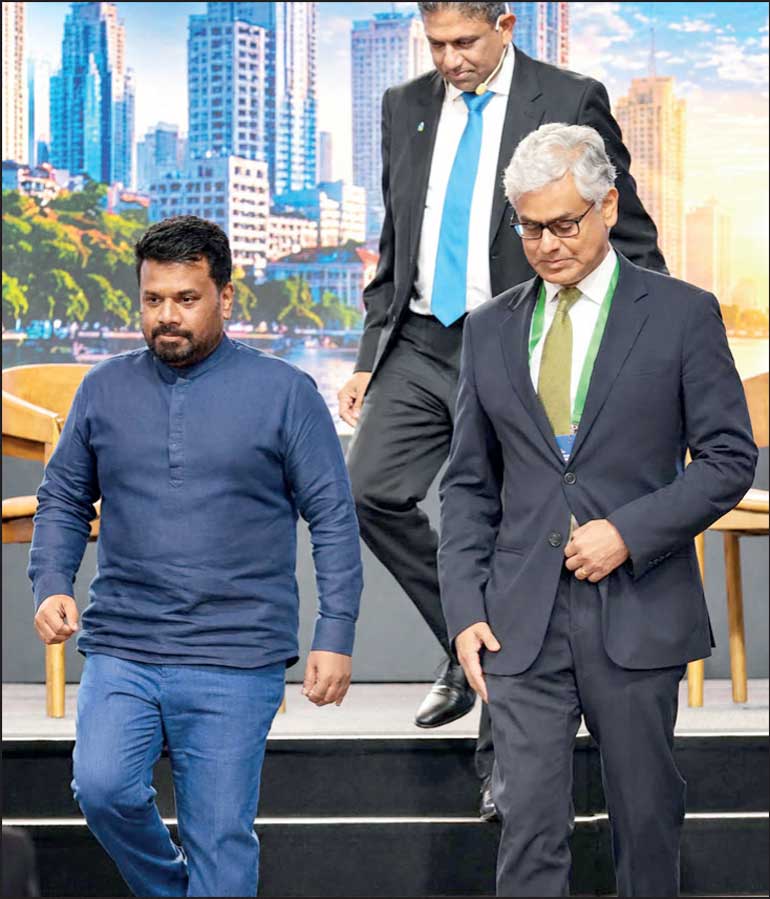
Inauguration of the Sri Lanka Economic Summit

Labour reform is emerging as a critical priority in Sri Lanka’s efforts to attract the next wave of foreign direct investment (FDI) and accelerate economic growth. Speakers at the recent economic summit highlighted the need to address labour market constraints, skills shortages and workforce productivity. As Govindasamy noted, Sri Lanka faces challenges in remaining competitive with several regional neighbours on labour costs and productivity. Although labour reform has been discussed for decades, the need for decisive action has become increasingly urgent.
Sri Lanka’s ability to attract investment, expand high-value industries and create sustainable employment will depend significantly on its capacity to develop a skilled, productive and future-ready workforce, supported by flexible labour laws that facilitate job creation, business growth and responsible restructuring.
Crucially, this is also about retaining our young people. Sri Lanka cannot afford to educate and train its next generation only to see them leave because they cannot find productive jobs, competitive wages or credible career opportunities at home.
Bridging the skills gap
One of Sri Lanka’s persistent challenges is the mismatch between the skills people acquire and those employers require. Sectors such as construction, tourism, manufacturing, healthcare and technology need workers with relevant technical, professional and practical competencies. Yet many young people struggle to find suitable employment, while businesses report difficulties recruiting qualified staff.
This is not simply an education problem; it is a coordination challenge involving schools, universities, vocational training institutions, employers and policymakers.
Education and training must respond more directly to labour market demand. Employers should help identify emerging skills requirements, shape curricula, offer apprenticeships and provide workplace exposure. Training institutions must be accountable for graduate employability, rather than focusing primarily on enrolment and certification.
A national vision towards 2030
Sri Lanka needs a clear national vision for labour towards 2030, supported by effective leadership, realistic targets, adequate funding and stronger coordination between Government institutions and the private sector. An integrated national workforce strategy should connect education, vocational training, employment, migration and economic development.
Effective Cabinet-level leadership is essential to establish priorities, implementation timelines and transparent accountability. A reliable labour market information system would help identify occupational shortages, anticipate future demand and align training investments with industries offering the greatest potential for productive employment.
Building a future-ready workforce
Digitalisation, artificial intelligence, automation and changing global supply chains are transforming the nature of work. Sri Lanka must prepare its workforce for these changes through technical education, digital competencies, problem-solving skills and lifelong learning.
Greater private sector participation is indispensable. Businesses should invest in employee development, work-based learning and partnerships with educational institutions. Vocational and post-secondary education must become more accessible and relevant to emerging employment opportunities.
We must also unlock the potential of underutilised talent by addressing barriers to workforce participation, including through better career guidance, childcare support, flexible working arrangements and opportunities for reskilling.
Labour reform as an investment imperative
For investors, labour availability is not simply a question of numbers. They need access to workers with the right skills, at competitive costs, supported by reliable training systems and a regulatory environment that enables enterprises to grow. Labour laws should provide sufficient flexibility for businesses to adapt to changing market conditions, expand operations and restructure responsibly, while safeguarding workers’ rights and fair treatment.
A predictable and balanced labour framework can strengthen investor confidence. Combined with improved productivity, it can help Sri Lanka attract new investment, expand existing businesses and move into higher-value industries.
Creating jobs and retaining our young people
The ultimate test of labour reform is whether it creates more productive employment and improves living standards. Young Sri Lankans need opportunities to build careers, earn competitive incomes and progress professionally without feeling that leaving the country is their only route to success.
Attracting FDI must therefore go hand in hand with developing local talent. Investors should be encouraged to create skilled jobs, transfer knowledge, strengthen management capabilities and establish training partnerships with local institutions. Employers, too, must recognise that attracting and retaining talent requires competitive remuneration, good working conditions and credible career development.
Where genuine labour shortages persist, managed foreign recruitment may be necessary in selected sectors. However, this should complement, not replace, efforts to develop the domestic workforce and bring more people into productive employment.
Sri Lanka’s next wave of FDI will depend not only on the opportunities it offers investors, but also on the quality, productivity and adaptability of its workforce. Labour reform is not merely about making it easier to do business; it is about making it possible for Sri Lankans, particularly our young people, to build productive and rewarding lives in their own country.
The time has come to move from discussion to implementation. A clear national labour strategy towards 2030, backed by coordinated leadership and sustained public-private collaboration, can help strengthen competitiveness, attract investment and create the employment opportunities Sri Lanka needs for its next phase of growth.
References




