Monday Oct 12, 2026
Monday Oct 12, 2026
Monday, 25 May 2026 03:19 - - {{hitsCtrl.values.hits}}
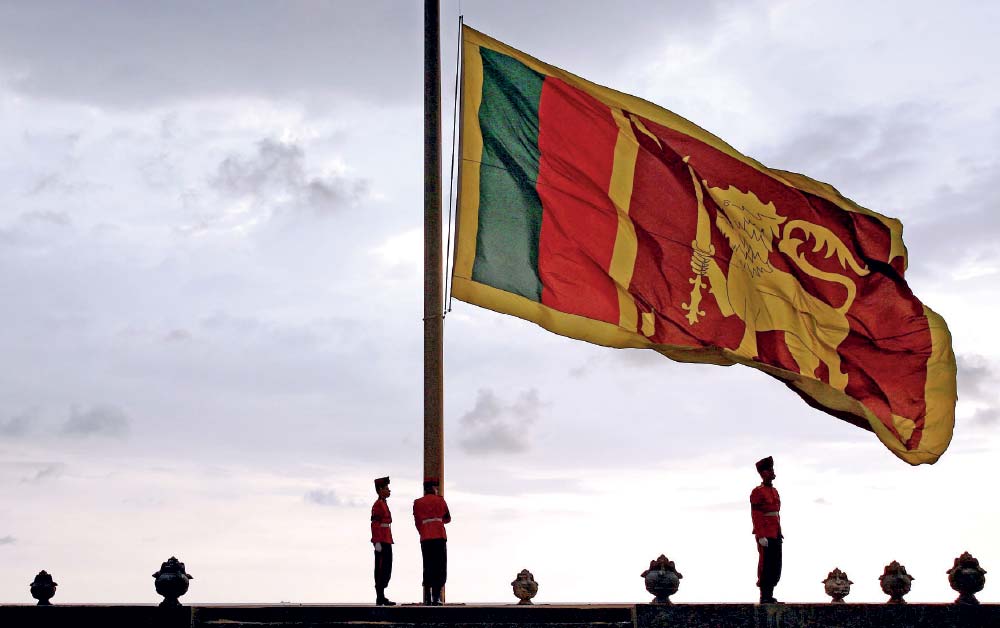
 Political leaders, business leaders, religious figures, educators and media personalities must lead by example. A society cannot demand discipline, honesty and dignity from citizens while leaders display corruption, arrogance or division. True cultural reform begins when leadership reflects the values it wishes society to follow
 Sri Lanka is one of the oldest continuously inhabited civilisations in the world. From the hydraulic marvels of ancient kings to the teachings of Buddhism, Hindu traditions, Islamic values, Christian heritage, literature, dance, architecture and village life, the country possesses a cultural foundation that many nations admire. Yet, in the modern era of globalisation, technology, migration and political division, Sri Lanka faces an important challenge: how to establish and preserve a rich, united and socially acceptable national culture while remaining modern and globally competitive.
A truly national culture cannot be forced by law or politics alone. It must emerge naturally from shared values, mutual respect, discipline, education, family life and national pride. Sri Lanka’s future culture must therefore be modern in outlook, yet deeply rooted in its ancient civilisation.
Now pause and reflect on where we stand today with respect to an acceptable culture. Where is the element of “TRUST” in our society? Far too many people seek to make a quick profit, often at the expense of another. How much confidence can one truly place in the food served at an average restaurant — in the quality of the ingredients used and, more importantly, in the hygiene standards of the kitchen where the meals are prepared? How much trust can a buyer place in a used car dealer? Can we be fully certain of the accuracy of the meter at a fuel station? How satisfied are we with the courtesy, efficiency and professionalism experienced when dealing with many Government departments? The list of disappointments is endless. Seventy-five years of self-governance appear to have eroded many of the ancient values that once defined our society, while integrity and ethics have steadily declined. Equally alarming is the deterioration of moral standards among certain school teachers who engage in inappropriate and immoral conduct with school-going children.
First steps
One of the first steps in building such a culture is restoring respect for values. Ancient Sri Lankan society was built upon principles such as honesty, gratitude, humility, discipline, respect for elders, compassion and service to society. These values were practised in villages, temples, kovils, mosques and churches alike. Today, however, rapid urbanisation and commercial pressures have weakened many of these traditions. Schools and families must therefore play a leading role in reintroducing moral education, civic responsibility and social etiquette. Education should not only prepare students for examinations and employment but also to produce responsible citizenship and ethical leadership.
Another important aspect is strengthening family and community life. Sri Lankan civilisation flourished because communities cared for one another. Village societies worked collectively through systems such as “Shramadana” and temple-centred social organisation. Modern society has become increasingly individualistic. To rebuild cultural strength, families must encourage respect between generations, shared meals, care for elders and community participation. Religious institutions should also become centres for social harmony, youth development and moral guidance rather than places divided by politics or ethnicity.
Language and literature are equally important in preserving civilisation. Sinhala and Tamil languages contain centuries of wisdom, poetry, philosophy and history. English too plays a valuable role as a bridge to the world economy and international knowledge. A balanced cultural policy should therefore encourage fluency in one’s mother tongue while promoting English as a practical global language. Young people should be encouraged to appreciate Sri Lankan literature, folk stories, classical music, theatre and history so they understand the greatness of their heritage.
Sri Lanka must also preserve its artistic and architectural identity. Ancient kingdoms such as Anuradhapura, Polonnaruwa, Kandy and Jaffna demonstrated sophisticated culture through irrigation systems, sculpture, painting, dance and temple architecture. Modern development should not destroy this identity through careless urbanisation and imitation of foreign lifestyles. Public buildings, hotels, parks and cities should reflect Sri Lankan aesthetics and environmental harmony. Cultural tourism can also become a major economic strength if the nation preserves its heritage with dignity and professionalism.
National unity
Equally important is national unity. Sri Lanka is a multi-ethnic and multi-religious country. A rich national culture cannot belong to only one community. It must respect Sinhalese, Tamils, Muslims, Burghers and all others as equal contributors to the nation’s identity. Throughout history, Sri Lanka benefited from trade and cultural exchange with India, Arabia, China and Europe. Diversity therefore should not be seen as a weakness but as a strength. National celebrations, education systems and media should promote mutual understanding and shared patriotism rather than division.
The media and digital technology also influence culture significantly. Television, cinema and social media shape the attitudes of young people every day. Therefore, responsible media practices are essential. Local productions that promote Sri Lankan values, history, creativity and family-oriented entertainment should receive encouragement. Freedom of expression is important, but society must also protect itself from vulgarity, violence, misinformation and destructive social behaviour that weaken moral standards.
The economy
Economic discipline is another pillar of cultural development. Ancient Sri Lankan civilisation prospered through agriculture, trade, craftsmanship and organised administration. A culture of productivity, punctuality, professionalism and entrepreneurship must therefore be cultivated today. Corruption, dependency and lack of accountability weaken national culture and discourage future generations. The country must honour people who contribute honestly through hard work, innovation and public service.
Youth development is especially vital.
The younger generation must feel proud to be Sri Lankan while also being confident global citizens. Sports, leadership programmes, arts, volunteerism and entrepreneurship should be promoted at school and university level. Instead of encouraging youth to merely seek employment abroad, Sri Lanka should inspire them to build the nation with creativity, integrity and patriotism. Sadly, given the current scenario, I wonder how many Sri Lankans would genuinely be proud to be called Sri Lankan. I feel it is important to introduce school children to the subject ‘Ethical Practice and Integrity’ where our future generations can become the champions for culture change that this country is in much need of.
Environmental responsibility must also become part of the national culture. Ancient Sri Lankan kings protected forests, reservoirs and wildlife because they understood the relationship between civilisation and nature. Modern Sri Lanka must revive this ecological wisdom. Clean cities, proper waste management, water conservation and sustainable agriculture should be seen not merely as government responsibilities but as national habits and cultural duties.
Leadership
Finally, leadership plays a decisive role in shaping culture. Political leaders, business leaders, religious figures, educators and media personalities must lead by example. A society cannot demand discipline, honesty and dignity from citizens while leaders display corruption, arrogance or division. True cultural reform begins when leadership reflects the values it wishes society to follow.
In conclusion, Sri Lanka has all the foundations necessary to establish a rich and acceptable national culture. Its ancient civilisation, spiritual traditions, artistic heritage and social values provide a powerful base for national renewal. However, preserving culture does not mean rejecting modernity. Instead, Sri Lanka must combine its timeless wisdom with education, technology, professionalism and global awareness. By doing so, the country can create a modern civilisation that is respected internationally while remaining proudly and authentically Sri Lankan.
(The author is the Chairman of McQuire Rens Global Consulting Ltd. and Non-Executive Chairman of Eswaran Brothers Exports Ltd. He was a former Regional Director of Sterling Winthrop East Africa Region, Regional Head of Special Projects and Regional HR Consultant, Southeast Asia and India at Smithkline Beecham International)




