Wednesday Nov 18, 2026
Wednesday Nov 18, 2026
Wednesday, 18 November 2026 00:21 - - {{hitsCtrl.values.hits}}
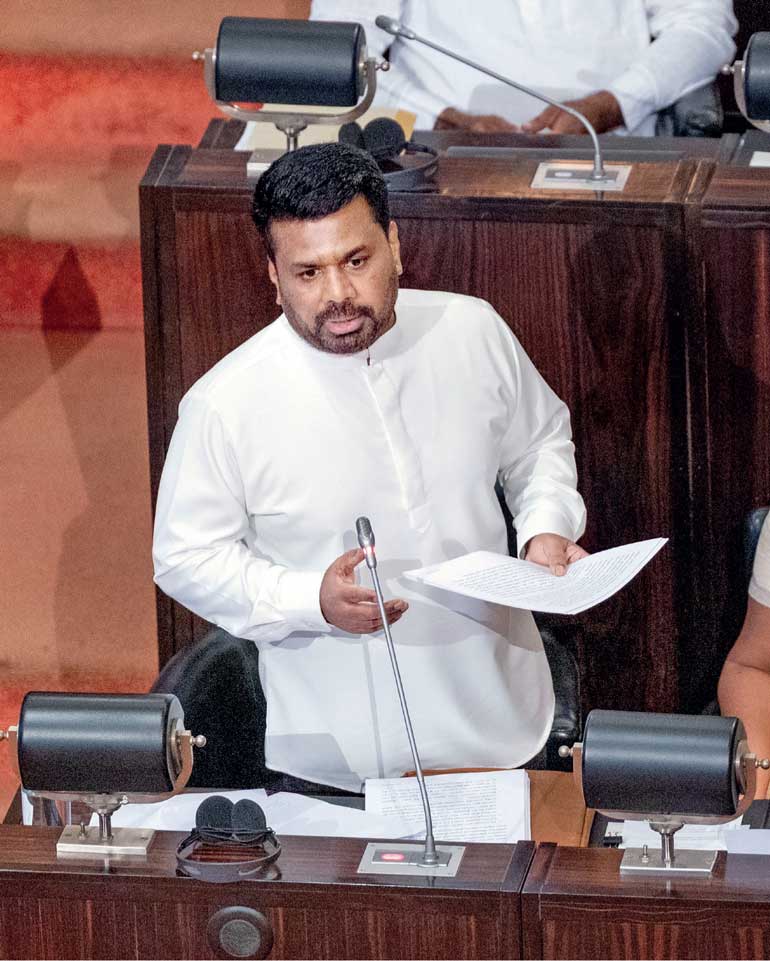
 For a Sri Lankan manufacturer, winning a first overseas order can take months. Missing the vessel by a day can undo much of that work. Having spent much of my career in export manufacturing, I read the 2027 Budget, presented by President Anura Kumara Dissanayake on 12 November, with that reality in mind. Can it help more Sri Lankan businesses win orders, produce at a competitive cost and deliver on time?
The President and the Government deserve credit for addressing several of the practical constraints that determine whether an exporter can do all three. The proposals on trade facilitation, VAT eligibility and investment in manufacturing are especially welcome. Their value will be measured in time saved, cash released for production and new orders won.
Making it easier to ship from Sri Lanka
The National Single Window for Trade is one of the Budget’s most practical reforms. A pilot for selected exports began on 5 November. The Government plans to bring exporters onto the system in the first half of 2027, followed by imports and re-exports in the second half, with nearly Rs. 2 billion allocated for the rollout. A single point of submission can reduce the time businesses spend sending the same information to several agencies. For a small exporter with a shipment deadline, being able to see where an application stands is valuable in itself.
The proposal to modernise the Temporary Importation for Export Processing scheme deserves attention for similar reasons. Many local manufacturers need specialised inputs from abroad to produce finished goods here. Simpler access to those inputs under the scheme’s tax concessions can help smaller firms take on export orders that would otherwise stretch their resources.
Freeing up cash and encouraging investment
The Budget proposes that newly VAT-registered businesses qualify as eligible exporters if more than 80% of their turnover in the preceding six months comes from exports. This gives newer firms an earlier route to eligibility. It is a sensible change. A company can have a full order book and still struggle to buy materials or pay wages for its next production run while waiting for a VAT refund. Clear processing timelines and prompt refunds would give the proposal its full value.
For manufacturers considering a larger investment, the Budget proposes a capital allowance equal to 200% of qualifying expenditure for eligible projects approved by the Board of Investment. Export manufacturers would need to invest at least US$3 million within three years. Alongside the Rs. 4 billion allocated for work on new and existing industrial estates, this can support decisions to install new machinery, expand production and bring more local suppliers into export supply chains.
Turning market access into orders
The Budget’s Rs. 750 million allocation covers Sri Lanka Expo 2027, planned for January, and priorities under the National Export Development Plan. A well-organised exhibition can give a small firm access to buyers it might spend months trying to reach. The commercial value comes afterwards, when a buyer requests samples, agrees on specifications and places an order. The EU-supported sustainable trade project can complement that work by helping businesses meet buyer requirements on testing, traceability and certification.
The Government’s efforts to widen market access are also welcome. The Budget outlines work to expand the existing trade agreement with India, Sri Lanka’s application to join the Regional Comprehensive Economic Partnership, and prospective agreements with the United Arab Emirates and Oman. To use any new trading terms, an exporter needs clear answers about tariffs, product standards and the documents required to qualify.
From Nairobi, I see scope for Sri Lankan businesses to explore opportunities in East Africa in areas such as processed foods, rubber products, electrical goods and professional services. Finding the right partner is often the first commercial hurdle. An electrical goods manufacturer may need a distributor that can provide after-sales service. A food producer may need to adapt its packaging or labelling. Sri Lanka’s overseas missions and export promotion agencies can help firms assess demand and make those introductions before they commit significant time and money.
I also welcome the Government’s commitment to fiscal discipline. An exporter quoting today for delivery several months from now has to estimate the cost of materials, wages, freight and finance well before the buyer pays. Greater economic predictability gives businesses more confidence to make those commitments.
The Government has chosen several reforms that can make a difference on the factory floor and at the port. A year from now, I would judge progress by three practical questions. Are shipments clearing faster? Are eligible firms receiving their VAT refunds sooner? And are more small manufacturers turning a first overseas order into repeat business? That second order is one of the clearest signs that a buyer trusts what Sri Lanka can deliver.
(The author is Sri Lanka’s High Commissioner to Kenya and a former Chairman of the Free Trade Zone Manufacturers’ Association. He writes in a personal capacity).




