Thursday Oct 22, 2026
Thursday Oct 22, 2026
Saturday, 13 December 2025 00:00 - - {{hitsCtrl.values.hits}}
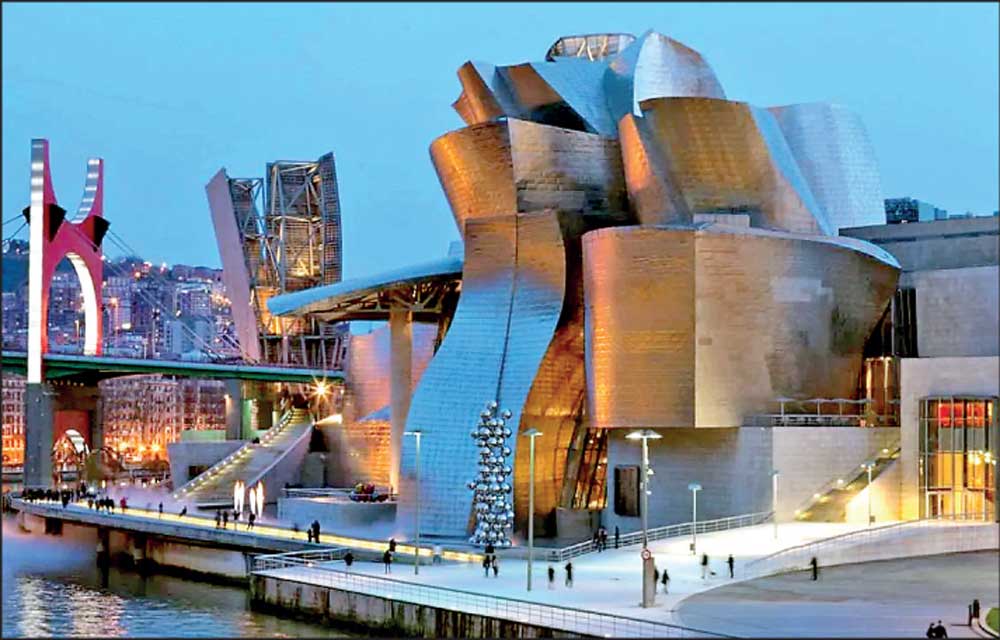
 Bilbao in northern Spain paired the iconic Guggenheim Museum with comprehensive riverfront, transit and public-realm regeneration, transforming a post-industrial city into a global cultural destination with sustained visitor numbers and economic impact
The rise of culture-led urban renewal
Over the last few decades, many global cities have declined and lost their value, becoming worn down and neglected. These cities, for various reasons, were regarded unfavorably and not considered desirable living neighborhoods, resulting in alienation and disinvestment. However, some notable cities have risen from this decline through creativity, arts and culture-backed revitalisation. This has been effective to such an extent that these cities have been gentrified - property values have drastically increased, and they have seen an influx of high-income residents and businesses moving in. In this article we examine the potential benefits brands could have by helping drive revitalisation through creativity, arts and culture.
Three cities, three success stories
Across the UK and Europe, several cities have used creativity, arts and culture to spark urban revival in distinctive ways.
In East London’s Hackney Wick, hundreds of artists and creative small businesses moved into old, neglected warehouses from the 2000s onward, building a vibrant scene of studios, galleries and festivals. Aiding the revitalisation indirectly, the 2012 Olympic legacy upgraded transport and public spaces, drawing tech and media tenants, new housing and visitors. However, the rising costs resulting from this revitalisation later pressured the original creative community.
Brighton, on England’s south coast, revitalised its image and economy by leaning into a strong “creative city” identity. Major festivals such as the Brighton Festival, Fringe and Pride became integral elements of the city’s character. A thriving design-digital cluster, anchored by its universities, helped attract talent, startups and year-round tourism beyond the traditional seaside offer.
Bilbao in northern Spain paired the iconic Guggenheim Museum with comprehensive riverfront, transit and public-realm regeneration, transforming a post-industrial city into a global cultural destination with sustained visitor numbers and economic impact.
Beyond the logo: How brands borrow cultural capital
When commercial brands step in to fund museums, festivals and public art, they do more than place logos on banners, they borrow the trust, creativity and civic prestige of cultural institutions. Multi-year sponsorships and co-produced programmes embed powerful associations such as quality, inclusivity and innovation that conventional advertising sometimes struggles to deliver.
A good example is global clothing brand UNIQLO’s “Tate Play” at Tate Modern Museum in the UK. By underwriting free, family-friendly creative activities, the brand signals accessibility and cultural relevance to millions while earning positive coverage and community goodwill. In Bilbao, corporate partners of the Guggenheim Museum align themselves with a globally recognised icon and the city’s transformation story, reinforcing their reputations before international audiences.
Building brand salience through cultural engagement
These partnerships also build brand salience, the likelihood a brand comes to mind in more moments of life. Repeated, emotionally rich exposures at festivals, museum nights and open-studio weekends create distinctive memories that stick. Naming rights, programming credits and site-specific commissions tether a brand’s cues to iconic places, from Gehry’s Guggenheim to Brighton’s festival stages, sharpening distinctiveness and recall long after the event ends.
Trust, authenticity and the risk of tokenism
Done well, cultural engagement strengthens trust and ESG credibility. Visible, long-term support for inclusive culture can become part of a company’s “licence to operate,” especially in regulated sectors. A good example in Sri Lanka’s context would be the association of Lion Brewery through recent Octoberfest events and their BigCat mobile app, creating their own unique licence to operate.
The key for brands is authenticity, obtained through co-creation with local artists and funding access initiatives such as free tickets, youth programmes and affordable studios. However, brands need to be passionately involved in the cause and not merely use it as an opportunity to tick boxes. Communities can spot tokenism, and misaligned sponsorships risk backlash. It is genuine, sustained investment that earns legitimacy.
The business case: Talent, innovation and commerce
There are hard-nosed business gains too. Brands plugged into creative ecosystems improve employer appeal and talent retention, evident in cities like Brighton, where cultural vibrancy attracts creative workers. Co-productions with artists fuel product innovation and content, while curated events and mixed-use sites, as seen in Hackney Wick, convert culture into footfall, dwell time and sales for food, retail and workspace tenants.
In conclusion, culture-led revitalisation is not just an urban planning strategy, it is a profound opportunity for brands to build lasting equity while contributing to the social and economic fabric of cities. In an era where consumers increasingly demand purpose and authenticity, brands that invest genuinely and consistently in creativity, arts and culture position themselves not as corporate benefactors but as co-creators of vibrant, liveable communities.
For Sri Lankan brands and developers looking to revitalise neighborhoods, whether in Colombo, Kandy, Galle the pathway is proven. Partner with local artists, underwrite inclusive cultural programming, protect affordable creative spaces and commit for the long term. The returns extend far beyond logos and press releases, they include trust, talent, innovation, community goodwill and a distinctive place in people’s memories and daily lives.
Cities that were once written off have become global destinations. Brands that acted early and authentically have become inseparable from those success stories. The question for brands today is not whether to engage with creativity, arts and culture in revitalisation, but how deeply and how soon, because the cities and communities that thrive tomorrow will be shaped by the investments made today.
(The author is a marketing and communications strategist with over 10 years of experience transforming brands across Sri Lanka and the UK. He holds a Bachelor’s degree from the USA (2014) and recently earned an MSc in Digital Marketing with distinction from Middlesex University, UK (2024). Imasha currently serves as the Head of Strategy and Client Servicing at Ogilvy (Geometry Global), Sri Lanka.)




