Thursday Oct 15, 2026
Thursday Oct 15, 2026
Tuesday, 21 July 2026 06:17 - - {{hitsCtrl.values.hits}}
 The case for intelligence-led prevention
 The powerful testimony of retired Major Ajith Prasanna on WANESA TV has laid bare the scandalous state of Sri Lanka’s prisons. A war hero, lawyer, and former parliamentarian who endured nearly four years of rigorous imprisonment, Prasanna described abysmal food rations, chronic shortages of basic hygiene items, degrading body searches, woefully inadequate medical care, and, most damningly, systemic corruption in which some prison officers allegedly profit from smuggling drugs, mobile phones, and other contraband (YouTube).
These revelations landed with explosive force in the aftermath of the deadly July 2026 violence at Negombo Prison, where clashes left dozens dead and injured, followed by credible reports of reprisals against transferred inmates. Yet this is no isolated scandal. It is the predictable outcome of decades of neglect, myopic policy, and a political culture addicted to blame games that shield the powerful while ordinary citizens, especially the poor, pay the ultimate price in broken families, wasted lives, and eroded national security.
Prisons in Sri Lanka have degenerated from institutions of correction into overcrowded warehouses of human misery. With over 44,000 inmates, many held on minor drug-related charges or in prolonged pre-trial detention, facilities like Welikada have become pressure cookers where minor offenders mix with hardened criminals, rehabilitation is virtually non-existent, and basic human dignity is routinely violated. Prasanna’s account of forced nudity during searches, beatings despite his status, and denial of essential medical checks is not mere anecdote, it is evidence of a system that has abandoned its rehabilitative mandate.
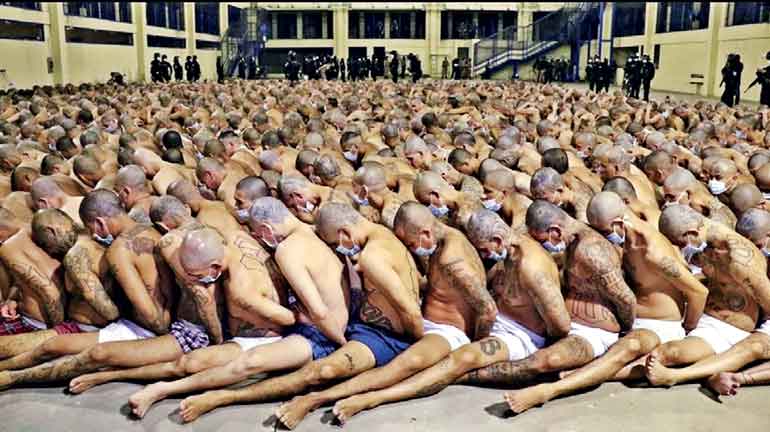
This image of overcrowded prison conditions captures the reality too many endure: mass confinement without hope, hygiene, or humanity. When the state locks people away in such environments and then releases them without skills, support, or a pathway out of stigma, it manufactures recidivism rather than redemption. Labelling former inmates as RC or IRC and placing them under nominal police supervision without genuine reintegration programs is not justice, it is a recipe for repeated failure.
The vicious cycle: Poverty, drugs, and systemic neglect
The rot does not begin at the prison gate. It festers in the socio-economic conditions that propel people into crime in the first place. Through direct work with the Save the Pearls organisation in vulnerable communities north of Colombo, our teams documented the grim mechanics of this cycle. Families crammed into single-room dwellings without proper sanitation, encircled by drug dealers and addicts. Fathers repeatedly imprisoned on drug offences, leaving mothers and children economically destitute. Children recruited, knowingly or not, as couriers. In one devastating case, a girl of 13 or 14 stood guard while her mother engaged in survival sex work inside the home, already being groomed into the same destructive pattern.
Housing schemes meant to uplift the poor have sometimes concentrated vulnerability, creating dense networks that provide early warnings to criminal elements ahead of law enforcement raids. Poverty, absent positive role models, exposure to “villainy,” and a complete lack of viable alternatives push individuals into offending, some willingly, many through circumstance or coercion. Once inside the system, the lack of meaningful rehabilitation ensures they emerge worse off, labelled and marginalised, only to be sucked back into the vortex.
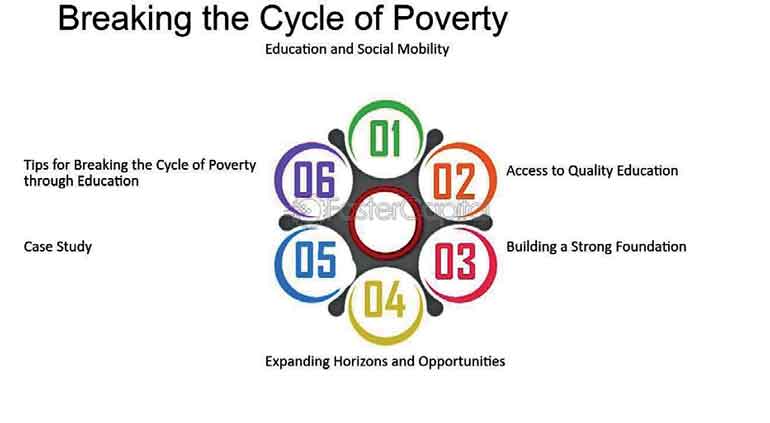
This infographic on breaking the cycle of poverty illustrates exactly what is missing: sustained investment in education, early childhood development, skills training, and social mobility. Instead of such upstream interventions, successive governments have relied on downstream enforcement that treats symptoms while the disease spreads. The result is a self-perpetuating machine that consumes human potential and public resources alike.
Anti-drug operations: A double-edged sword wielded without strategy
Sri Lanka’s intensified anti-drug campaigns have been necessary and, in many respects, overdue. The narcotics trade undermines communities, fuels violence, and threatens national security. However, when success is measured primarily by arrest numbers and headline-grabbing seizures, enforcement becomes blunt and counterproductive.
Pressure to meet targets leads to the sweeping up of users, addicts, and low-level couriers alongside major dealers and traffickers. The prisons swell with individuals who require treatment and support far more than incarceration. Minor offenders are hardened by exposure to serious criminals. Families are shattered. And the underlying drivers, poverty, unemployment, family breakdown, and easy availability of drugs, remain largely unaddressed.
This is the double-edged sword in action.
Short-term optics satisfy political narratives and social media outrage cycles, but they create long-term congestion, human suffering, and diminished public trust. Law enforcement officers, forced to deliver visible results, become part of a system that prioritises quantity over quality of outcomes. The judiciary, meanwhile, hands down punishments intended to promote future well-being, yet without parallel rehabilitation and prevention architecture, those sentences often become revolving doors.
Ending the blame game: From political theatre to national responsibility
The endless cycle of blame, governments accusing predecessors, opposition parties scoring political points, institutions pointing fingers at each other, serves only one constituency: those who benefit from inertia. Ordinary Sri Lankans, particularly the most vulnerable, become the victims twice over, first through the failures that lead to crime and incarceration, and again through the absence of meaningful reform. This political theatre distracts from accountability and delays the hard work of systemic change.
It is time to declare an end to blame-game politics on issues of national security and public safety. Whether the domain is prisons, drugs, radicalisation, maritime threats, or social cohesion, reactive posturing must give way to proactive intelligence. My decades of experience in counter-terrorism and intelligence operations taught a fundamental lesson: prevention through timely, accurate intelligence is far more effective, and far less costly in human and financial terms, than managing the consequences of failure after the fact.
 We can continue managing symptoms with ever-more-crowded prisons and reactive crackdowns, or we can invest in the upstream interventions and systemic reforms that turn potential offenders into productive citizens and patriots. The latter path honours the sacrifices of those who defended this nation and serves the well-being of all its people
Proactive intelligence as the foundation of prevention
Intelligence-led approaches transformed our fight against terrorism by enabling foresight, targeted disruption, inter-agency coordination, and operations that respected both effectiveness and human rights. The same methodology must now be applied rigorously to the drugs-prisons nexus and broader domestic security challenges. This means:
 Robust intelligence gathering on prison corruption networks and drug supply chains inside and outside facilities.
Early identification of at-risk individuals and families through community intelligence and social data.
Diversion programs that route users and minor offenders toward treatment and support rather than automatic incarceration.
Sustained investment in rehabilitation inside prisons, education, vocational training, counselling, and mental health services, paired with credible post-release reintegration that removes barriers to employment and social acceptance.
Whole-of-society prevention: economic opportunities in high-risk areas, family strengthening programs, youth mentorship, and community policing that builds trust rather than fear.
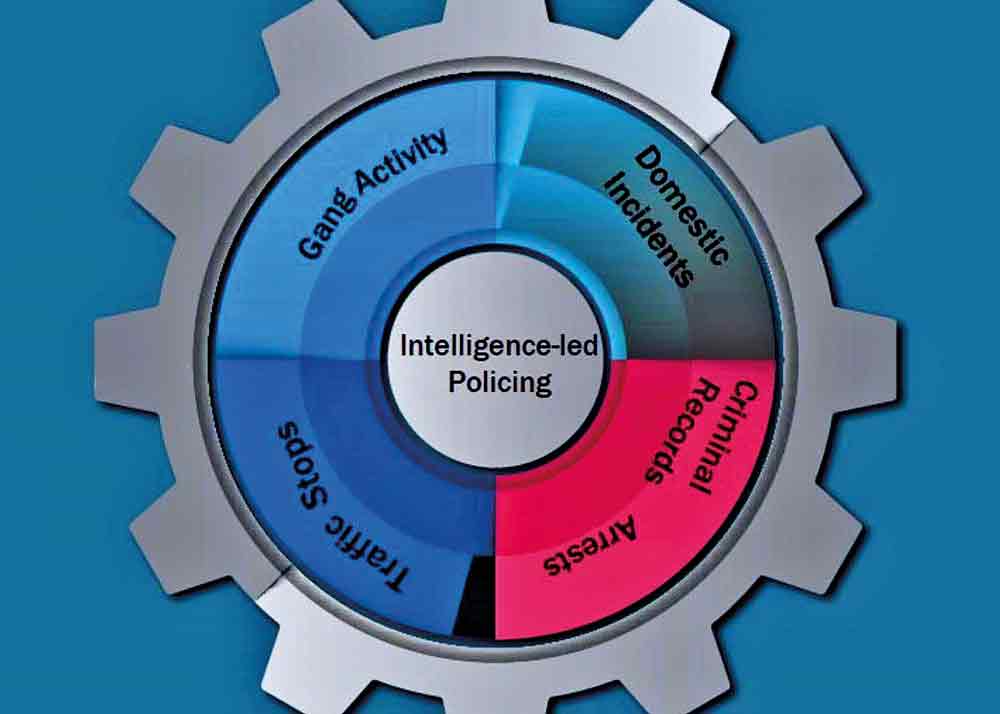
Intelligence-led policing, as depicted in this framework, integrates data from multiple sources to drive proactive prevention rather than perpetual reaction. Applying this discipline across national security domains, not just prisons and drugs, offers the only credible path out of recurring crises.
A roadmap for genuine reform
Immediate measures must include independent oversight access to all detention facilities, urgent improvements to basic conditions (food, sanitation, healthcare), and decisive action against corrupt elements within the prison system. Medium-term priorities should encompass treatment-oriented diversion for substance users, separation of vulnerable inmates from predatory networks, and structured rehabilitation programs with measurable outcomes. Long-term transformation requires embedding proactive intelligence into policy design, addressing root socio-economic drivers through targeted development, and building political consensus that survives electoral cycles.
These are not soft options. They demand resources, political will, and a willingness to measure success by reduced recidivism, healthier communities, and enhanced national resilience, not merely arrest statistics or prison populations. The cost of continued inaction is measured in lost lives, fractured families, and a society that increasingly normalises human warehousing over human development.
Creating patriots, not predators nor prisoners
Sri Lanka’s prisons should once again become places where human beings are given a genuine chance at resurrection and contribution. By rejecting blame-game politics and embracing proactive, intelligence-driven prevention across all national security challenges, we can interrupt destructive cycles at their source.
The choice is stark but clear. We can continue managing symptoms with ever-more-crowded prisons and reactive crackdowns, or we can invest in the upstream interventions and systemic reforms that turn potential offenders into productive citizens and patriots. The latter path honours the sacrifices of those who defended this nation and serves the well-being of all its people.
It is time to begin, decisively, intelligently, and without further delay, the work of creating patriots, not prisoners nor predators.
(The author is a retired Senior Superintendent of Police, former Deputy Director (Counter Terrorism), State Intelligence Service and former Director, Police Special Branch. This analysis is offered in the interest of national security, institutional reform, and public safety)




