Wednesday Oct 28, 2026
Wednesday Oct 28, 2026
Thursday, 23 July 2026 14:27 - - {{hitsCtrl.values.hits}}
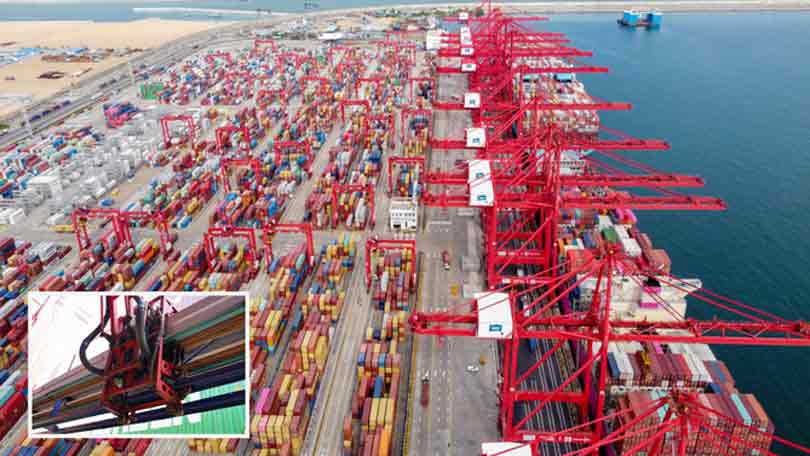
CICT became the first terminal in the Port of Colombo to fully electrify its RTG fleet
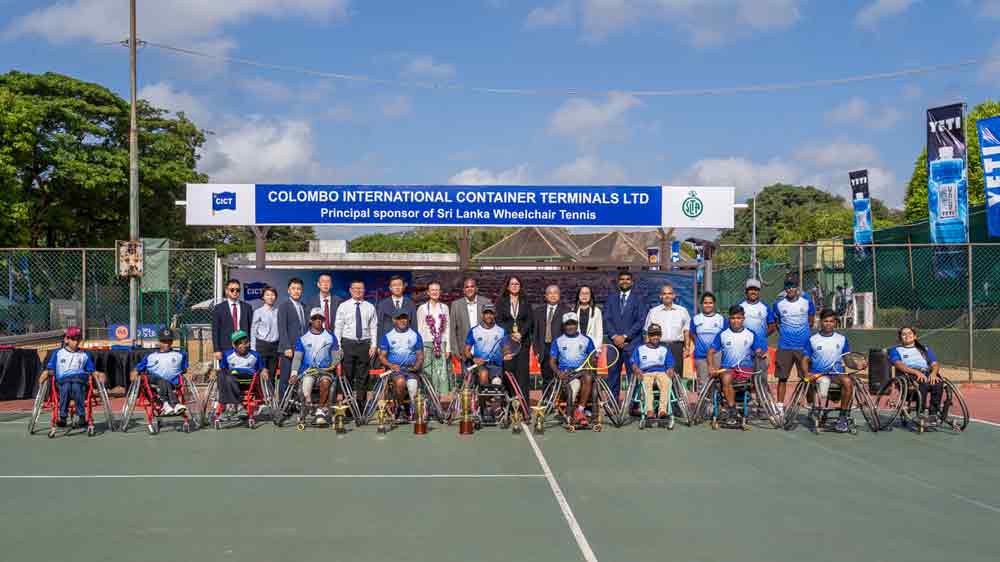
Supporting inclusion through sport: CICT’s long-standing partnership with
Sri Lanka Wheelchair Tennis
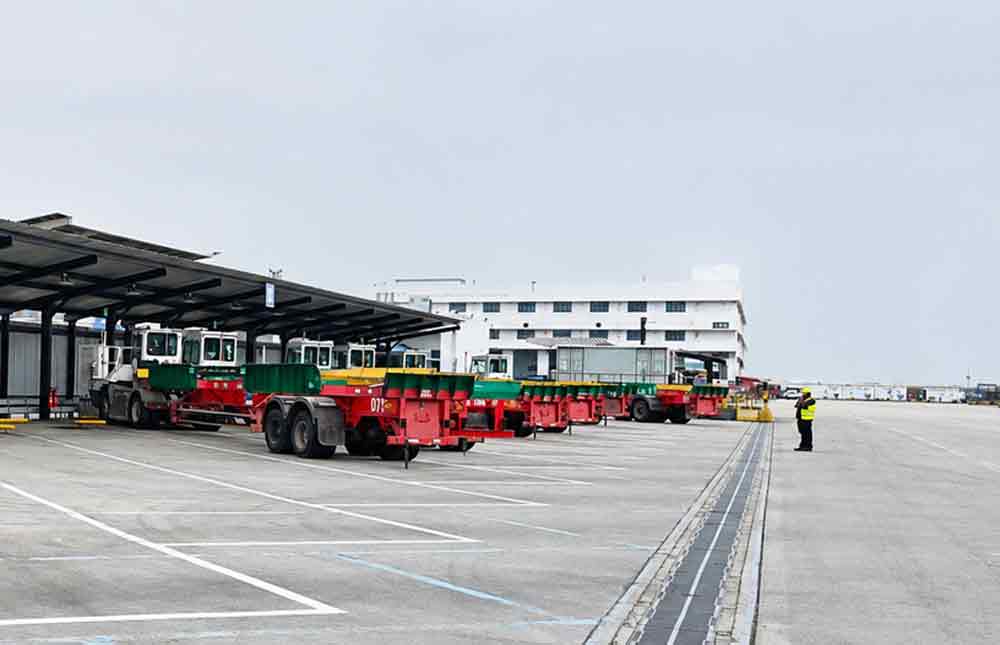
CICT’s dedicated charging station keeps the terminal’s electric ITVs powered, advancing its commitment to sustainable operations
For decades, ports have been judged by the numbers that define operational success. Throughput, crane productivity, vessel turnaround time and berth utilisation have long been regarded as the key indicators of performance. They remain fundamental to global trade.
Today, however, another set of metrics is becoming just as important.
How much energy does a terminal consume? How much carbon has it eliminated? How efficiently does it use water and other resources? How does it coexist with the communities and ecosystems that surround it?
Around the world, the definition of a successful port is changing. Increasingly, ports are being judged not only by how efficiently they move cargo, but by how responsibly they do it.
This reflects a broader shift in Environmental, Social and Governance (ESG) thinking. For many years, sustainability in the corporate world was often associated with Corporate Social Responsibility (CSR), where environmental and community initiatives existed alongside the business. Today, leading port operators are embedding sustainability into the way terminals are designed, powered and operated.
Rather than treating ESG as a separate programme, it is becoming part of operational strategy. Few examples illustrate this transition more clearly than Colombo International Container Terminals (CICT).
As one of Sri Lanka’s largest deep-water container terminals and a member of the China Merchants Port network, CICT has steadily integrated environmental performance into its day-to-day operations. The terminal’s electrification programme demonstrates how environmental responsibility and operational efficiency can reinforce one another.
The conversion of Rubber-Tyred Gantry (RTG) cranes from diesel to electricity has significantly reduced emissions while lowering fuel consumption and improving working conditions. The conversion of diesel-powered Inter Terminal Vehicles (ITV) to electric continues the same trajectory, showing that cleaner operations can also deliver greater efficiency and long-term cost savings.
This is a reminder that the most sustainable terminal is often the most efficient one.
The same philosophy extends beyond equipment.
Rainwater harvesting, condensate water reuse, digital documentation, intelligent energy management systems and smart operational technologies may appear to be separate initiatives. Viewed together, however, they represent a broader approach to resource management.
Waste is no longer viewed simply as rubbish to be disposed of. It includes wasted fuel, wasted electricity, wasted water, wasted paper and wasted time. Reducing each of these improves both environmental performance and operational productivity.
This is one of the most significant shifts taking place in the global port industry. Sustainability is moving away from isolated environmental projects towards continuous operational improvement.
The evolution is also changing how ports view their relationship with the communities and natural environments around them.
Ports are often seen primarily as transport infrastructure. In reality, they influence coastlines, urban environments, local economies and marine ecosystems. Their responsibilities therefore extend beyond the terminal gate.
This broader understanding is reflected in initiatives such as CICT’s long-standing support for Sri Lanka’s Wheelchair Tennis programme, which has helped athletes compete internationally while promoting inclusion through sport, and the Ambassador Cup, in partnership with the University of Colombo, which brings together students from universities across Sri Lanka through badminton, encouraging positive engagement and helping foster a more inclusive and constructive university culture.
More recently, the terminal became the principal sponsor of a three-year sea turtle conservation initiative led by the Wildlife and Nature Protection Society in partnership with the Turtle and Coastal Health United Programme. The project combines habitat restoration, scientific monitoring, community participation and public education to protect an important urban coastal ecosystem in Colombo.
Viewed independently, these may appear to be conventional CSR projects. Together, they reflect a wider recognition that healthy businesses ultimately depend on healthy communities and healthy ecosystems.
This philosophy is aligned with the broader ESG direction of the China Merchants Port network, while reflecting Sri Lanka’s local environmental and social priorities.
Governance provides the foundation for these efforts. At CICT, sustainability is supported by clear accountability, internationally certified management systems, robust safety and environmental management practices, strong compliance controls, and the integration of ESG considerations into operational and investment decisions. CICT maintains certification to internationally recognised standards, including ISO 14001 (Environmental Management Systems), ISO 45001 (Occupational Health and Safety Management Systems). These internationally recognised frameworks promote disciplined management, continuous improvement and operational excellence, ensuring that environmental and social commitments are translated into measurable, transparent and accountable action.
The maritime industry is now entering a period in which customers, investors and regulators are placing increasing emphasis on ESG performance. Cleaner supply chains, lower emissions and responsible governance are becoming competitive advantages rather than compliance requirements.
This presents both a challenge and an opportunity for ports.
The challenge is to continue improving productivity while reducing environmental impact. The opportunity is to demonstrate that these two objectives are no longer in conflict. Modern terminals increasingly show that operational efficiency, resource conservation and environmental stewardship can strengthen one another.
Ultimately, the ports that lead the next generation of global trade may not simply be those that move the most cargo. They are likely to be the ports that move cargo most responsibly.
Through initiatives ranging from equipment electrification and digitalisation to biodiversity conservation and community partnerships, CICT demonstrates that the future of port sustainability is not built around a collection of individual projects. It is built around a different way of operating.
That may prove to be the industry’s most important transformation of all.




