Thursday Nov 05, 2026
Thursday Nov 05, 2026
Thursday, 5 November 2026 05:51 - - {{hitsCtrl.values.hits}}
By Safna Malik
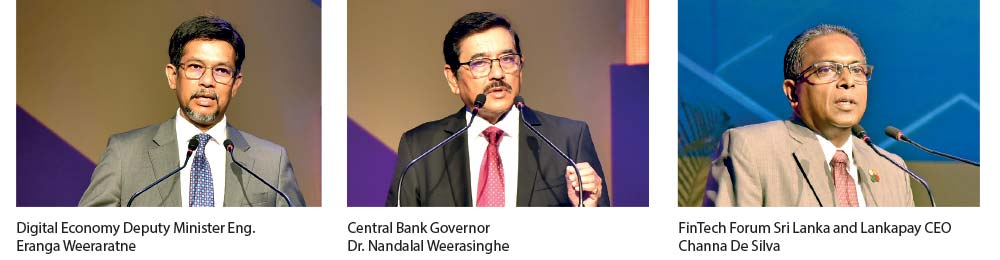
Sri Lanka will set up a sovereign-backed fund of funds for startups, develop a regulatory framework for virtual assets and virtual asset service providers, and expand telecom coverage to over 99% of the population, Deputy Minister of Digital Economy Eng. Eranga Weeraratne said.
He made the remarks at the recent Sri Lanka FinTech Festival 2026 in Colombo, where he outlined a broader push to accelerate digital adoption and position the country as a regional fintech hub.
Weeraratne said Sri Lanka may be a few years behind other regional countries in digital payment and fintech adoption, but said the country has the necessary ingredients to move faster, including a strong IT talent pool, an established IT industry, a heavily banked population, high literacy and government commitment to digital transformation.
He said the Government’s ambition is to move Sri Lanka from a cash-heavy society towards a cash-light, digitally enabled economy, while also helping local IT and fintech companies export solutions to global markets.
“We are setting up a fund of funds, a sovereign fund, for investing in our startups, and we are inviting other international and local funds to contribute,” he said.
The fund is expected to provide matching capital for startups, while the Government works with local and international fund managers to create the policies and documentation needed to connect Sri Lankan entrepreneurs with global capital.
Weeraratne also said work is under way on regulations for virtual assets and virtual asset service providers, a move intended to give clarity to businesses and investors and allow local firms to innovate in the sector.
On digital payments, he said the Government will push QR-based payments through promotions, incentives and support for devices, aiming to shift both consumers and merchants away from cash.
He said banks should develop financial products linked to digital payment usage, as transaction records can help small merchants demonstrate business performance and creditworthiness.
“Digital payment histories can become a new form of collateral for SMEs,” he said.
The Deputy Minister also said telecom coverage, currently around 94–95% of the population, will be expanded beyond 99% within the next two to three years, with investment and support from partners including the Asian Development Bank.
To build trust in digital services, the Government plans to establish a cybersecurity regulatory authority under forthcoming legislation and invest in advanced security operations centres to protect public and private digital infrastructure.
Weeraratne said interoperability, open systems and low-code tools will be key to allowing new services to be built on national platforms and helping Sri Lankan fintech firms export solutions.
However, Central Bank Governor Dr. Nandalal Weerasinghe cautioned that virtual assets cannot be used for payments between residents under Sri Lanka’s current legal framework.
“This position is important in preventing the substitution of the Sri Lankan rupee in domestic transactions and in safeguarding the country’s monetary sovereignty,” he said.
Delivering the keynote on ‘The Future of FinTech,’ Weerasinghe said Sri Lanka’s post-crisis recovery has created the foundation for growth, but the next phase must focus on productivity, investment, employment and innovation.
“Stability is not the destination; it is the foundation upon which sustainable growth must be built,” he said.
He said fintech can help mobilise savings, channel capital to productive investment, reduce transaction costs and improve financial inclusion, particularly for small businesses and underserved communities.
Sri Lanka already has digital banking, mobile and internet banking, payment cards, digital payment applications and interoperable national payment infrastructure through LankaPay, he noted.
Looking ahead, the Governor identified open and interoperable financial services, digital identity, data-driven lending, cross-border payment connectivity and digital investment services as key growth areas.
He also warned that fintech brings risks, including cyberattacks, operational disruptions, fraud, data breaches, inadequate consumer disclosures, excessive leverage and concentration of critical services among technology providers.
“We must strike the right balance: encouraging competition and innovation while ensuring effective supervision, sound risk management and strong consumer protection,” Weerasinghe said.
He reiterated that the Central Bank remains open to innovation and pointed to its FinTech Regulatory Sandbox as a controlled environment for testing eligible financial solutions.
FinTech Forum Sri Lanka Chairman Channa de Silva said the theme of this year’s festival was much more than a tagline.
“It highlights the opportunity in front of us, at an organisation and a national level. Bringing together innovators, financial institutions, policymakers and global partners, we showcased Sri Lanka’s fintech capabilities, opened doors to attract investment and talent, and created pathways for local solutions to scale internationally,” he said.
“Our ultimate ambition is to turn collaboration into lasting economic value for the country and position Sri Lanka as a fintech hub in the regional fintech landscape.”
The festival served as a showcase of Sri Lanka’s existing digital-payment infrastructure, connecting the local ecosystem with regional and international financial developments. Sessions highlighted how the country has already built essential digital rails and how these platforms can support cross-border transactions, investment, regional market access and Sri Lanka’s ambition to emerge as a digital economy hub in Asia.
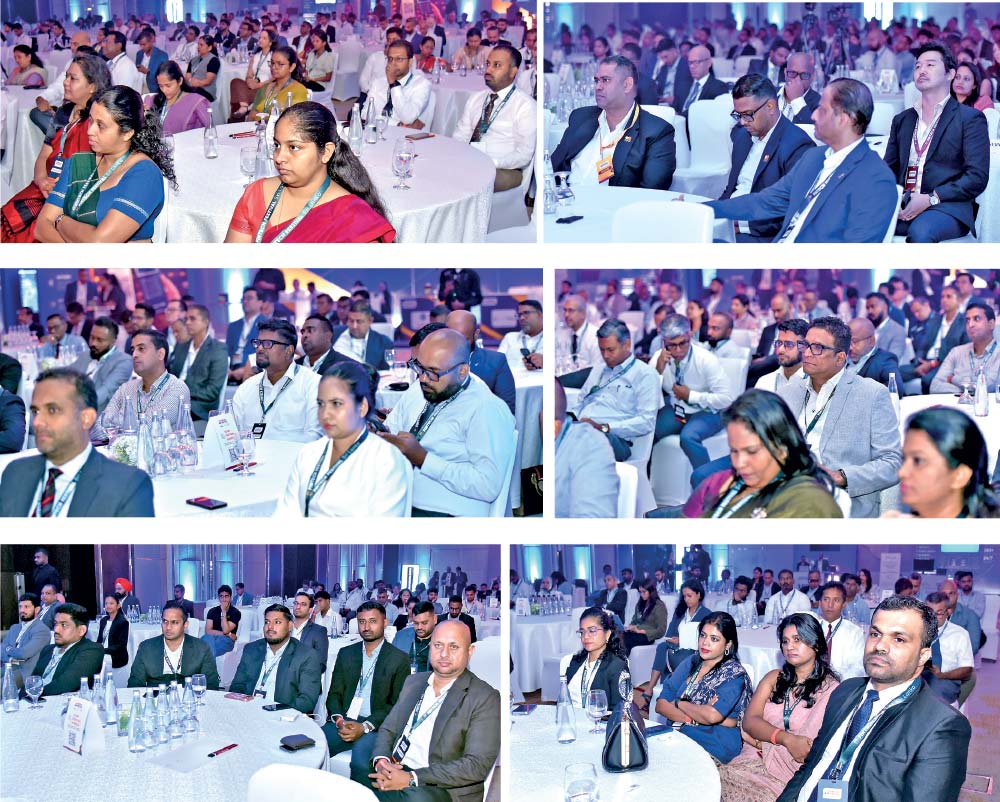
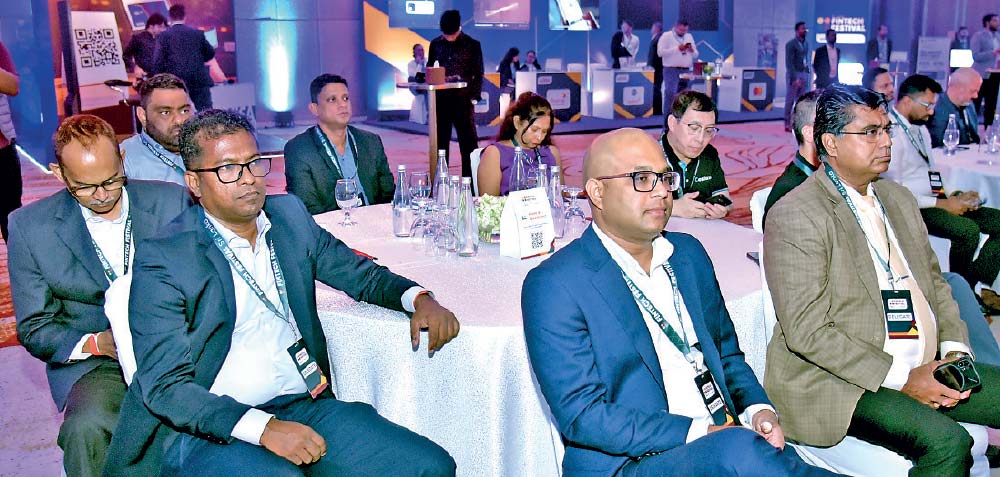
The Sri Lanka FinTech Festival 2026, organised by FinTech Forum Sri Lanka in collaboration with the Digital Economy Ministry and powered by Visa, was held from 2 to 3 November at Shangri-La Colombo under the theme ‘Building Capacity, Creating Opportunities and Scaling Sri Lanka’s Digital Future.’
The festival brought together policymakers, regulators, banks, non-bank financial institutions, technology firms, investors, entrepreneurs, SMEs and tourism-sector stakeholders to discuss the future of digital finance and showcase Sri Lanka’s digital financial services capabilities.
The two-day event included the FinTech Expo conference, featuring exhibition floors, keynotes and panel discussions, and concluded with FinTech Night and the FinTech Awards 2026, which recognised contributors to Sri Lanka’s fintech ecosystem.
Pix by Ruwan Walpola