Wednesday Oct 28, 2026
Wednesday Oct 28, 2026
Thursday, 23 July 2026 14:17 - - {{hitsCtrl.values.hits}}
By M Peiris
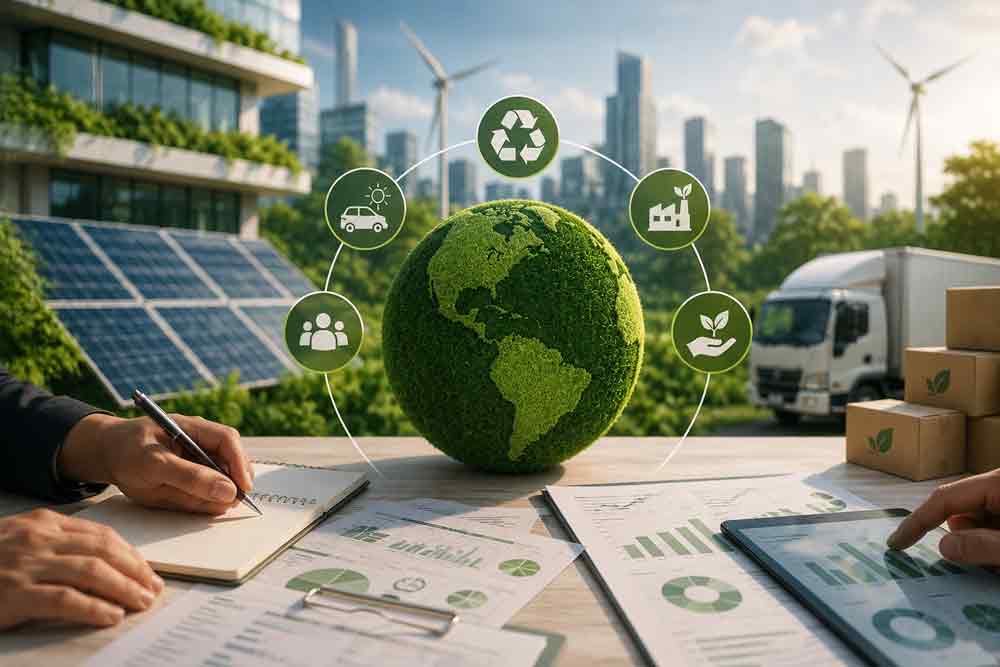
Walk into most company head offices five years ago, and you’d find sustainability tucked into a corner of the marketing department, mostly there to fill out a page in the annual report. That’s changing fast. Rising energy costs, pressure from investors, and customers who actually check where their products come from have pushed carbon reduction into the centre of how businesses plan and spend. The good news is that cutting emissions no longer requires choosing between profit and principle. Many of the most effective steps pay for themselves within a few years.
Energy Use Is the Easiest Place to Start
Start with energy use, because it’s usually the biggest and easiest target. A manufacturing plant running old motors and poorly insulated buildings can often cut its electricity bill by a fifth just by upgrading equipment and sealing leaks in heating and cooling systems. Offices can do the same with better lighting controls and smarter thermostats. None of this requires new technology or heavy investment; it requires someone walking through the building with a checklist and the authority to act on what they find. Too often, that person doesn’t exist within a company, and small waste piles up unnoticed for years.
Making the Switch to Renewables
Switching to renewable power is the next step, and it has become far more practical than it was a decade ago. Solar panels on a warehouse roof, a power purchase agreement with a wind farm, or simply choosing an electricity supplier that sources from renewables, these options exist for companies of almost any size now, not just large corporations with dedicated sustainability teams. Prices for solar and wind generation have fallen steadily, which means the financial case often stands on its own, without needing to appeal to environmental goals at all.
Rethinking Transport and Travel
Transport is another area where changes add up quickly. Delivery fleets running on diesel are an obvious target for electrification, especially for short urban routes where range isn’t a concern. Beyond vehicles, simply planning delivery routes better, combining trips, and avoiding empty return journeys can cut fuel use meaningfully without any new equipment. Employee travel matters too. A company that defaults to video calls for routine meetings and reserves flights for the trips that truly need them can cut a surprising share of its travel-related emissions within a year.
Looking Beyond a Company’s Own Walls
Supply chains deserve close attention because, for most companies, the bulk of their carbon footprint doesn’t come from their own operations at all; it comes from suppliers, shipping, and the raw materials they buy. A clothing brand’s biggest emissions source is rarely its stores; it’s the cotton farming, dyeing, and fabric production happening several steps upstream. Reducing this kind of footprint means working with suppliers directly, asking for cleaner production methods, and sometimes choosing to work with smaller, less convenient suppliers because they run cleaner operations. It’s slower work than switching a light bulb, but it’s where the largest gains usually sit.
Waste reduction ties into all of this. Manufacturers that redesign products to use less material, or that build products meant to be repaired rather than replaced, cut both emissions and costs at the same time. Packaging is a simple starting point — many companies still ship products in boxes far larger than necessary, wasting cardboard, fuel, and warehouse space. Small design changes here often pay back their cost within months.
Why Measurement Matters
None of these steps requires complicated plans or expensive consultants to get started. What they do require is measurement. A company that doesn’t track its energy use, its fuel consumption, and its supplier emissions has no way of knowing where its biggest problems sit, and no way of proving progress to customers or regulators who increasingly ask for evidence rather than promises. Basic tracking tools exist for businesses of every size, and the process of setting them up often reveals waste that nobody had previously noticed.
The Value of Listening to Staff
Employees can be part of the solution too, and not just through token gestures like turning off lights. Staff on the factory floor or in a warehouse often know exactly where energy and material get wasted, because they see it every day. Businesses that ask for that input, and act on it, tend to find cheap fixes that head office would never have spotted from a spreadsheet.
The businesses making real progress on this front aren’t necessarily the ones with the biggest sustainability budgets. They’re the ones treating carbon reduction as an ordinary part of running a tighter, more efficient operation, the same instinct that drives a company to cut waste or negotiate better supplier terms. Reducing a carbon footprint, in the end, often looks a lot like good management. The businesses that figure that out early will likely spend less, waste less, and face fewer questions from customers and regulators down the road.




