Thursday Oct 22, 2026
Thursday Oct 22, 2026
Wednesday, 15 July 2026 00:04 - - {{hitsCtrl.values.hits}}
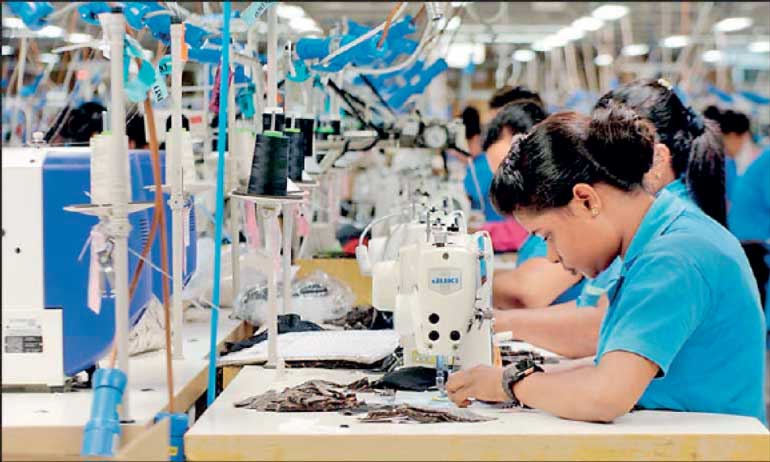
The Government has prohibited the import of goods produced using forced labour with effect from 10 July, introducing a new Customs compliance requirement as the Government seeks to strengthen its trade credentials and reduce the risk of higher US tariffs on exports.
The order was issued by President Anura Kumara Dissanayake in his capacity as Finance, Procurement and Economic Development Minister.
Under the new regulations, importers must submit documentary evidence to the Director General of Customs certifying that imported goods have not been produced using forced labour.
The measure follows concerns raised by the Office of the US Trade Representative (USTR), which recently identified Sri Lanka among 60 economies that do not prohibit or effectively enforce restrictions on imports produced with forced labour.
The USTR has proposed an additional 12.5% tariff on Sri Lankan exports to the US, above the 10% rate proposed for competing exporters including Bangladesh and Pakistan.
The US remains Sri Lanka’s largest export destination, accounting for approximately $ 3 billion in annual exports, dominated by apparel.
Responding to the proposed US measures, Finance Deputy Minister Dr. Anil Jayantha Fernando recently told Parliament that Sri Lanka already maintains a robust labour law framework, but would further strengthen Customs screening procedures and align enforcement with international standards to eliminate concerns relating to child and forced labour.
Sri Lanka also ratified the International Labour Organisation’s Convention No. 190 in April, reinforcing its commitment to ensuring a world of work free from violence and harassment.
The import ban is expected to strengthen Sri Lanka’s compliance with international labour standards, reinforce ethical supply chains, and improve the country’s standing as it engages with the US on trade-related market access.




