Saturday Oct 03, 2026
Saturday Oct 03, 2026
Saturday, 3 October 2026 00:01 - - {{hitsCtrl.values.hits}}
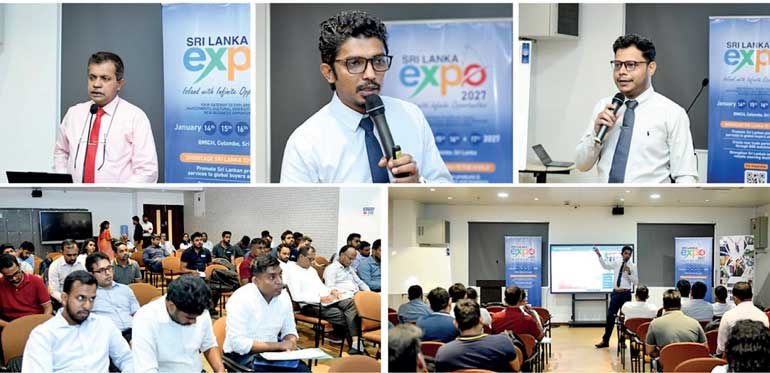
The Sri Lanka Export Development Board (EDB), in collaboration with the Sri Lanka Association of Manufacturers and Exporters of Rubber Products (SLAMERP), conducted a full-day workshop titled “Business Profit Improvement through Sustainable Energy Efficiency Management for the Rubber Products Manufacturing Industry” at the EDB premises. Technical experts from the National Cleaner Production Centre (NCPC), Sri Lanka, led the program.
The workshop aimed to strengthen the knowledge of technical personnel on efficient energy management, cost reduction, sustainable production and modern energy technologies. It followed a request from SLAMERP to raise awareness among its member companies.
Sri Lanka’s rubber products industry is a technology-intensive sector known internationally for high-quality, value-added products made from natural latex and dry rubber. Tyres account for about 60% of the sector’s exports and gloves around 30%, with other rubber products making up the rest. However, heating, curing and other high-temperature processes make manufacturing energy-intensive, and high energy costs can significantly affect profitability and global competitiveness.
The program opened with remarks by the EDB, followed by a keynote on “Energy Management as a Strategic Advantage” by NCPC Sri Lanka Director General/Chief Executive Officer Eng. Samantha Kumarasena. NCPC Chief Operating Officer Eng. Ruwan Wijemanne covered energy performance in rubber manufacturing and energy efficiency in electrical systems. NCPC Senior Energy Expert Eng. M.M. Munsif spoke on building a sustainable Energy Management System (EnMS) and investing in energy efficiency and decarbonisation.
Further sessions addressed thermal energy systems, process optimisation, energy audits, the development of an energy management roadmap and renewable energy technologies. The workshop encouraged manufacturers to look beyond isolated energy-saving measures and integrate energy management into long-term business planning, leading to better productivity, less waste and stronger competitiveness.
The event concluded with a question-and-answer and feedback session, giving participants the chance to raise practical concerns with the resource persons.
Through such initiatives, the EDB continues to support Sri Lanka’s export-oriented industries by facilitating access to technical knowledge and encouraging practices that improve productivity, sustainability and international competitiveness.



