Wednesday Oct 28, 2026
Wednesday Oct 28, 2026
Thursday, 23 July 2026 15:08 - - {{hitsCtrl.values.hits}}
CA Sri Lanka Sustainability Summit
Sri Lanka is entering a defining phase in its sustainability journey, as ESG considerations move from the margins of corporate reporting to the centre of business strategy and public-sector accountability.
For the Institute of Chartered Accountants of Sri Lanka (CA Sri Lanka), this is a natural extension of a role it has fulfilled for decades: strengthening trust, transparency and accountability. As the sole standard-setter, the Institute plays a critical role in aligning the country with global sustainability reporting developments through the adoption and localisation of the International Sustainability Standards Board’s (ISSB) IFRS S1 and S2 standards as SLFRS S1 and S2. In doing so, it provides Sri Lankan organisations with a robust, internationally aligned framework for disclosing sustainability-related risks and opportunities.
However, effective sustainability action requires more than standards alone. Recognising this, CA Sri Lanka is committed to building the capabilities, governance frameworks and professional expertise needed to translate sustainability requirements into meaningful action. Through professional development, thought leadership, standard-setting and stakeholder engagement, the Institute is helping organisations embed sustainability into governance, strategy, risk management and decision-making, while elevating the quality, consistency and credibility of sustainability disclosures.
Importantly, this commitment extends beyond corporate reporting. Through initiatives supporting stronger sustainability governance and the development of sustainability reporting in the public sector, the accountancy profession is responding to the sustainability agenda across the wider economy and contributing to the global pursuit of the United Nations Sustainable Development Goals (SDGs).
Through a series of forward-looking initiatives, CA Sri Lanka is helping to build the knowledge, expertise and reporting infrastructure needed for a more resilient, transparent and globally competitive economy. In doing so, it is fostering an environment where sustainability is not simply a compliance requirement, but a catalyst for innovation, long-term value creation and enduring economic and social progress.
Bringing global sustainability standards closer to Sri Lankan businesses
A significant milestone in this journey was the launch of the Preparers’ Guide to SLFRS S1 & S2, a practical resource designed to support companies and professionals in navigating the requirements of the ISSB standards.
The initiative positions Sri Lanka among the first jurisdictions globally, and among the first in South Asia, to adopt and implement the ISSB standards. It also sends a clear message to international markets: Sri Lanka is committed to strengthening transparent, comparable and reliable sustainability reporting to support informed decision-making, attract sustainable investment and build long-term economic resilience.
The Guide provides practical, Sri Lanka-centric guidance for organisations and practitioners implementing the standards. SLFRS S1 establishes the general requirements for disclosing sustainability-related risks and opportunities that could reasonably be expected to affect an organisation’s prospects, while SLFRS S2 focuses specifically on climate-related risks and opportunities.
For businesses, the transition to sustainability reporting can appear complex. The Guide is intended to help make that transition more practical, structured and accessible.
Strengthening sustainability governance
Reporting is only one component of a meaningful sustainability journey. Strong governance is equally essential to ensure that sustainability considerations are embedded in organisational decision-making, oversight and accountability.
Recognising this, CA Sri Lanka has launched the Sustainability Governance Code for Finance Professionals. The Code provides guidance to support finance professionals in strengthening sustainability governance and accountability, while helping organisations integrate sustainability considerations into governance structures, decision-making and broader reporting frameworks.
By strengthening the role of finance professionals in sustainability governance, the Code reflects the evolving responsibilities of the profession. Finance professionals are increasingly expected not only to report on an organisation’s performance, but also to help identify emerging risks and opportunities, support responsible decision-making and contribute to long-term value creation.
Extending sustainability reporting to the public sector
The sustainability transition must also extend beyond the corporate sector. Public-sector institutions manage significant resources and play a central role in delivering services, developing infrastructure and advancing national development priorities.
In recognition of this, the Association of Public Finance Accountants of Sri Lanka (APFASL), the public sector wing of CA Sri Lanka, is in the process of introducing Sustainability Reporting Standard (SRS) 1, issued by the International Public Sector Accounting Standards Board (IPSASB), with a focus on strengthening sustainability reporting in the public sector.
The introduction of SRS 1 represents an important step towards enhancing transparency and accountability in public-sector sustainability reporting. It will support public-sector entities in communicating information on sustainability-related matters and the impacts of their activities, helping stakeholders better understand how public resources and national development efforts intersect with broader sustainability objectives.
Together, these initiatives demonstrate that the accountancy profession is responding to the sustainability challenge across both the private and public sectors. They also reflect the profession’s contribution to the United Nations Sustainable Development Goals, by strengthening the systems, information, governance and accountability needed to support sustainable development.
Building the expertise Sri Lanka needs
Standards and frameworks, however, are only part of the equation. Their effective implementation requires professionals with the knowledge and skills to translate global requirements into meaningful business action.
To address this need, CA Sri Lanka has introduced the Certified Sustainability Reporting & Strategy Advisor (CSRSA) qualification through its Faculty of Sustainability Reporting & ESG Leadership.
The professional qualification is structured as a progressive three-tier pathway:
 Level 1 – Foundation: Advanced Certificate in Sustainability Reporting & Strategy, establishing a strong foundation in sustainability concepts, frameworks and reporting.
Level 2 – Application: Diploma in Sustainability Reporting & Strategy, focusing on applying sustainability frameworks, integrating reporting requirements into business strategy and developing effective disclosures.
Level 3 – Expert: Higher Diploma in Sustainability Reporting & Strategy, providing advanced expertise in areas including sustainability assurance, climate transition pathways and global regulatory alignment.
The CSRSA pathway is designed to develop professionals who can help organisations understand sustainability standards, identify relevant risks and opportunities, develop meaningful metrics and greenhouse gas reduction pathways, and integrate sustainability into governance, risk management and long-term strategy.
From reporting to action
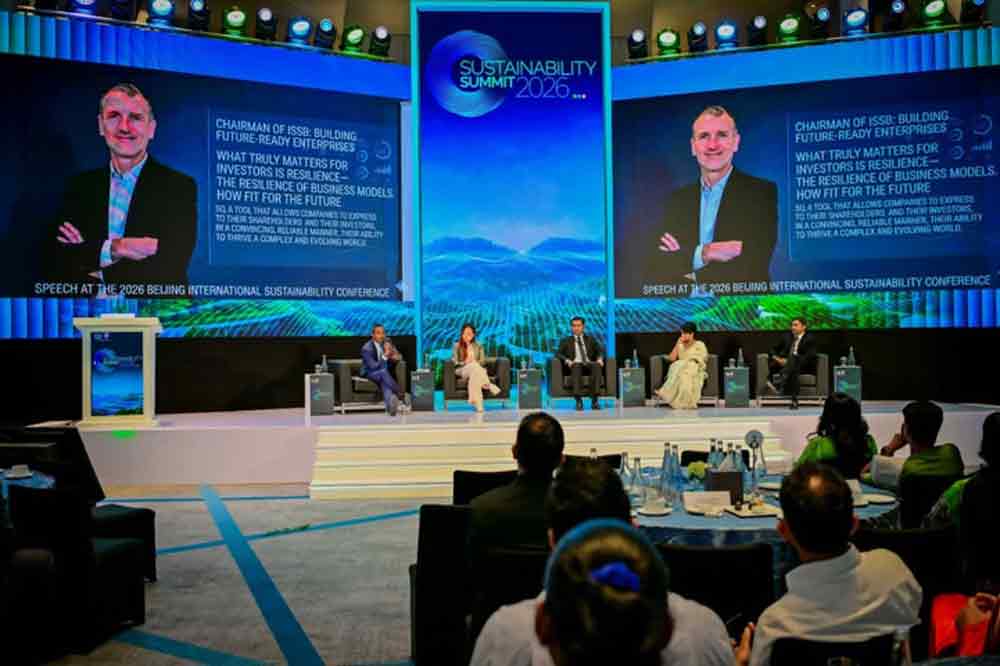
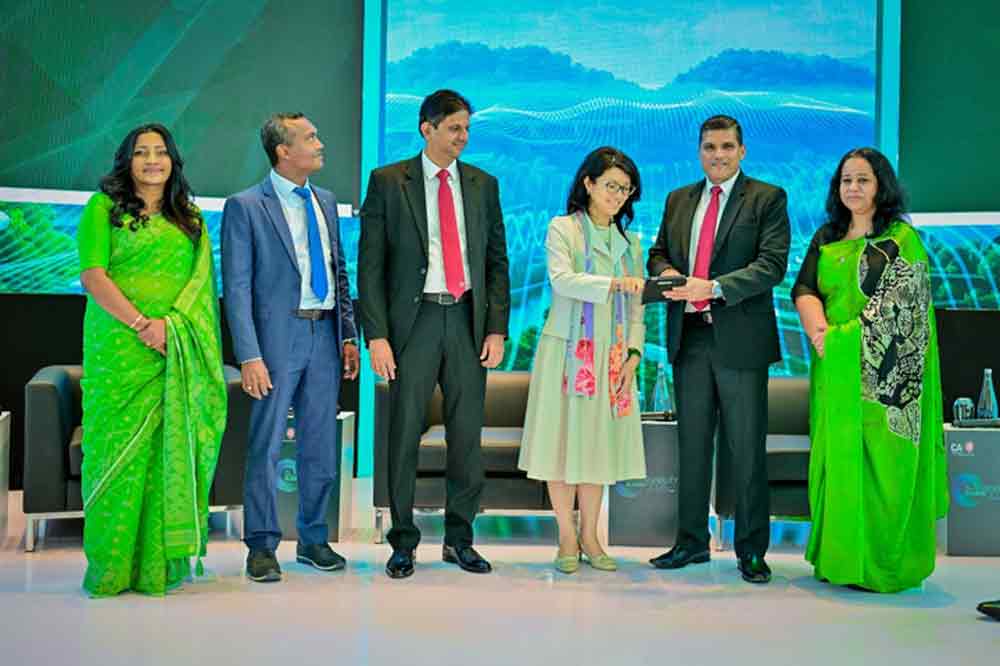
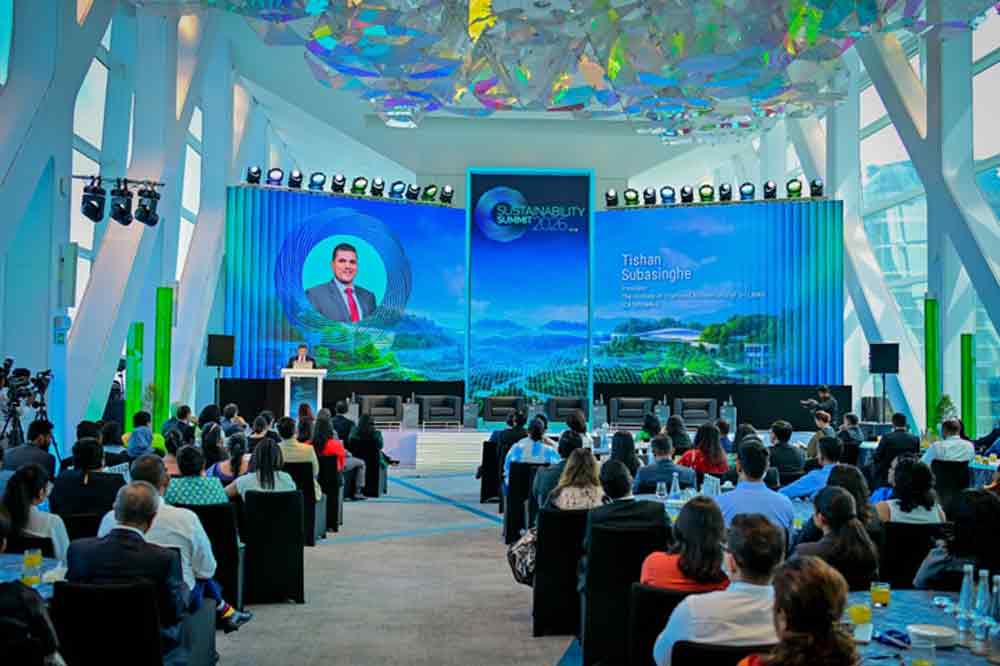
Developing the expertise to navigate the sustainability transition is only one part of the journey. Equally important is creating a platform for businesses, policymakers and professionals to come together, exchange insights and translate sustainability principles into meaningful action. It was with this objective that CA Sri Lanka convened its inaugural Sustainability Summit in May 2026 under the theme, “Leading with a Sustainable Mindset: Building Resilience in an Uncertain World.”
The summit brought together C-suite executives, board members, regulators, sustainability experts and leading professionals to examine how sustainability can move from a compliance exercise to a strategic priority.
Discussions explored how IFRS S1 and S2 are reshaping sustainability reporting, and how credible sustainability information can influence investor confidence, regulatory oversight and board accountability.
The summit also brought together perspectives from international and local organisations, including UNDP, the Colombo Stock Exchange, Deloitte and EY, alongside leading Sri Lankan businesses and professionals. The message was clear: sustainability is no longer a peripheral concern. It is increasingly connected to risk, investment, competitiveness, governance and long-term business resilience.
For Sri Lanka, the challenge now is to ensure that the momentum generated by new standards, professional qualifications, stronger governance frameworks and industry dialogue translates into meaningful action across the economy.
A sustainable future requires collective action
Sri Lanka’s sustainable transformation will not be achieved by any one institution or sector. It will require businesses, professionals, policymakers, investors, public-sector institutions and other stakeholders to work together.
For organisations, the journey may begin with understanding their most significant environmental and social impacts, identifying the risks and opportunities that could affect their future, and strengthening the quality of the information they provide to stakeholders.
For professionals, it requires developing the expertise to support organisations through this transition.
For public-sector institutions, it requires strengthening transparency and accountability around sustainability-related impacts, resources and development outcomes.
For businesses of all sizes, including SMEs, sustainability is not simply a reporting requirement, but an opportunity to improve efficiency, strengthen resilience and remain competitive. Through its work on sustainability standards, governance, professional education, public-sector reporting and industry engagement, CA Sri Lanka is helping businesses, public institutions and professionals navigate this transition and contribute to a more sustainable and prosperous Sri Lanka.
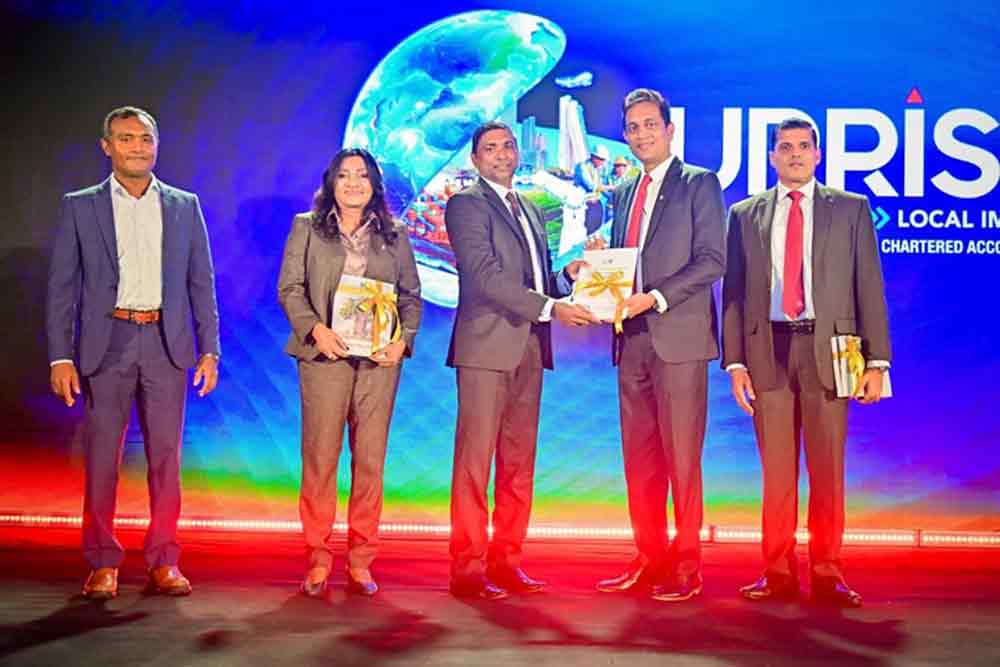
Launch of the SLFRS S1 & S2 Preparer’s Guide




