Wednesday Oct 28, 2026
Wednesday Oct 28, 2026
Thursday, 23 July 2026 13:10 - - {{hitsCtrl.values.hits}}
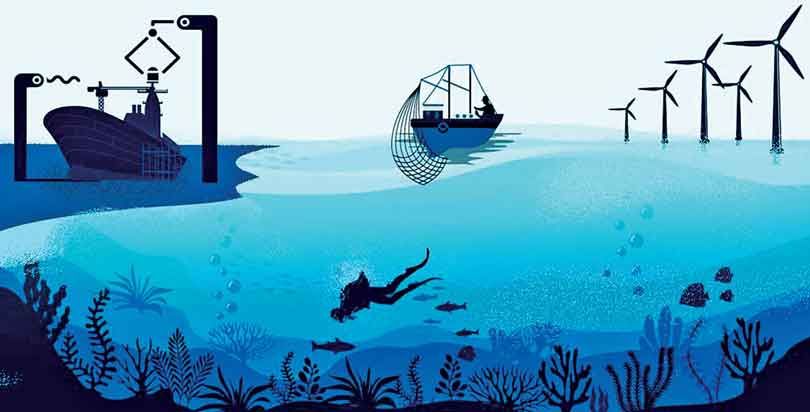
Sri Lanka’s identity has always been inseparable from the ocean. Surrounded by the Indian Ocean and strategically positioned along one of the world’s busiest east-west maritime trade routes, the island possesses an extraordinary natural advantage. For centuries, the sea has supported trade, fisheries, tourism, and cultural heritage. Today, however, the ocean represents something even more significant—a powerful engine for sustainable economic growth through the development of the Blue Economy.
The Blue Economy refers to the sustainable use of ocean resources to generate economic growth, improve livelihoods, and create jobs while preserving the health of marine ecosystems. Unlike traditional economic models that often exploit natural resources without considering long-term consequences, the Blue Economy balances economic development with environmental protection and social responsibility. As Environmental, Social and Governance (ESG) principles become increasingly important to businesses and investors, Sri Lanka has an opportunity to position itself as a regional leader in sustainable ocean-based development.
With an Exclusive Economic Zone (EEZ) that is several times larger than its land area, Sri Lanka possesses vast untapped marine resources. These include fisheries, shipping, ports, renewable energy, marine biotechnology, aquaculture, coastal tourism, and ocean-based research. Harnessing these opportunities responsibly could contribute significantly to economic recovery, export earnings, employment generation, and climate resilience.
One of the strongest pillars of Sri Lanka’s Blue Economy is its maritime location. Positioned at the crossroads of major global shipping lanes, the country handles thousands of vessels each year. Ports such as Colombo, Hambantota, and Trincomalee have the potential to become integrated logistics and maritime service hubs supporting regional and international trade. Continued investment in smart port technologies, digital logistics, and environmentally responsible port operations can enhance competitiveness while reducing emissions and improving operational efficiency.
Sustainable fisheries remain another critical component of the Blue Economy. The fisheries sector supports thousands of coastal families and contributes significantly to food security and exports. However, overfishing, illegal fishing practices, marine pollution, and climate change threaten the long-term sustainability of fish stocks. Responsible fisheries management, science-based catch limits, modern monitoring systems, and community participation are essential to ensuring healthy marine ecosystems while protecting livelihoods for future generations.
Aquaculture also presents enormous growth potential. Sustainable fish farming, shrimp cultivation, seaweed production, and shellfish farming can reduce pressure on wild fish populations while creating new export opportunities. Advances in environmentally friendly aquaculture technologies allow producers to increase yields while minimising impacts on coastal ecosystems. As global demand for sustainably sourced seafood continues to rise, Sri Lanka can strengthen its position in premium international markets by maintaining high environmental and quality standards.
Coastal and marine tourism is another sector that can benefit significantly from Blue Economy principles. Sri Lanka’s beaches, coral reefs, mangrove forests, marine parks, and whale-watching destinations attract visitors from around the world. Sustainable tourism practices—including marine conservation, responsible waste management, eco-friendly accommodation, and community-based tourism—can generate income while preserving the country’s natural assets. Protecting coastal ecosystems is not only an environmental priority but also a business necessity for the tourism industry.
Renewable ocean energy represents an emerging frontier for sustainable development. Offshore wind energy, wave energy, and tidal power are receiving increasing global attention as countries seek to diversify energy sources and reduce dependence on fossil fuels. Although these technologies are still developing, Sri Lanka’s geographical location provides opportunities for future investment in marine renewable energy projects that support national energy security and climate goals.
Marine biodiversity is among Sri Lanka’s greatest natural assets. Coral reefs, seagrass beds, mangroves, and coastal wetlands provide essential ecosystem services, including carbon sequestration, shoreline protection, fisheries habitats, and tourism opportunities. Unfortunately, these ecosystems face growing threats from pollution, unsustainable development, rising sea temperatures, and plastic waste. Conservation and restoration efforts must therefore become integral components of national development planning.
Plastic pollution has become one of the most visible challenges affecting ocean health. Single-use plastics, discarded fishing gear, and unmanaged waste continue to enter rivers and coastal waters, harming marine wildlife and damaging tourism. Businesses can contribute by adopting circular economy practices, reducing plastic packaging, investing in recycling infrastructure, and supporting coastal clean-up initiatives. These actions not only protect biodiversity but also strengthen ESG performance and corporate reputation.
The Blue Economy also creates opportunities for innovation. Marine biotechnology is an emerging field exploring the use of marine organisms for pharmaceuticals, cosmetics, food products, and industrial applications. Research institutions and private companies can collaborate to develop high-value products while ensuring sustainable resource management. Investment in ocean science and marine research will be critical for unlocking these future industries.
Digital technology is transforming ocean management across the world. Satellite monitoring, artificial intelligence, drones, Internet of Things (IoT) sensors, and advanced data analytics enable governments and businesses to monitor marine ecosystems, detect illegal fishing, optimise shipping routes, and improve disaster preparedness. These technologies enhance operational efficiency while strengthening environmental protection.
Climate change further highlights the importance of sustainable ocean management. Rising sea levels, coastal erosion, ocean warming, and changing weather patterns threaten communities, infrastructure, fisheries, and tourism. Nature-based solutions such as mangrove restoration, coral reef conservation, and coastal ecosystem protection improve resilience while supporting biodiversity and carbon storage. Investing in these natural assets represents both an environmental and economic opportunity.
Financial institutions and investors are increasingly recognising the Blue Economy as a growing investment category. International development agencies, multilateral banks, and impact investors are supporting sustainable ocean projects through blue bonds, climate finance, and blended financing mechanisms. Access to responsible financing enables businesses to invest in renewable energy, sustainable fisheries, marine conservation, and innovative coastal infrastructure while meeting global ESG expectations.
Corporate leadership also plays an essential role. Companies operating in shipping, logistics, tourism, fisheries, manufacturing, and coastal development must integrate ESG principles into their operations by improving governance, reducing emissions, protecting biodiversity, and engaging local communities. Transparent sustainability reporting demonstrates accountability and builds confidence among investors, customers, and regulators.
Collaboration between government, private sector, academia, local communities, and international partners will ultimately determine the success of Sri Lanka’s Blue Economy. Integrated marine spatial planning, effective environmental regulations, investment in education and research, and public awareness programmes can help ensure that ocean resources are managed responsibly for long-term national benefit.
The transition towards a sustainable Blue Economy is not simply an environmental initiative—it is a strategic economic opportunity. By protecting marine ecosystems while promoting responsible investment and innovation, Sri Lanka can strengthen food security, expand exports, create high-quality employment, attract international investment, and enhance resilience against climate change.
As ESG increasingly shapes business strategy and global investment decisions, the ocean is emerging as one of Sri Lanka’s greatest competitive advantages. Unlocking its full potential will require vision, innovation, and a shared commitment to sustainability. If managed wisely, Sri Lanka’s Blue Economy can become a powerful driver of inclusive growth, environmental stewardship, and long-term prosperity, ensuring that the nation’s greatest natural resource continues to benefit generations to come.




