Saturday Oct 17, 2026
Saturday Oct 17, 2026
Tuesday, 12 May 2026 05:54 - - {{hitsCtrl.values.hits}}
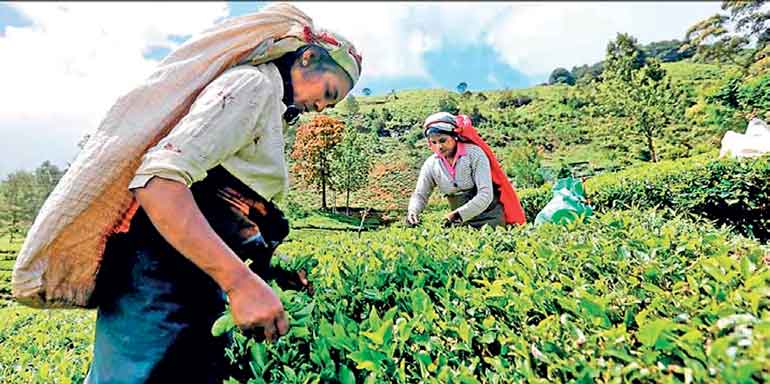
There’s trouble brewing for tea lovers, as the flavour of the beloved hot drink is under threat from climate change.
Rising temperatures and worsening weather extremes in countries such as Kenya, India and Sri Lanka could make the taste of tea more bitter and harsh, with less consistent flavours.
In a new report, Christian Aid warns that biggest impact is on smallholder farmers and producers in the countries that are worst hit by climate change, along with the rising price of fertiliser and fuel stemming from the Iran war.
Tea production relies on stable temperature and rainfall conditions, which are now shifting in producer nations, the report said.
Optimal growth conditions are within a relatively narrow temperature range of 13C to 30C (55F to 86F), and with adequate but not excessive rainfall.
Even tea growers in the UK are experiencing climate change that is making it much harder to achieve consistent flavours.
Disruptions to harvests caused by the changing climate are also likely to cause price spikes, rising costs and unreliable supplies of the cuppa.
Tea flavours and quality depend on a balance of compounds such as catechins, amino acids and polyphenols, the report said.
However, higher temperatures increase the production of more astringent compounds while reducing sweetness, leading to a more bitter taste.
Erratic rainfall can dilute compounds that give tea its depth and character, while extreme weather, including droughts and floods, can also put pressure on the plants, leading to lower yields, worse quality and a more bitter crops, the report said.
Christian Aid is calling for action to support farmers, including developing more resilient tea varieties, improving irrigation and planting shade trees to protect the crop.
It also stressed the importance of fair pricing, funding for producers to put in measures to help them adapt to climate change and protections for
workers.
The Met Office Senior Climate Services Scientist and University of Leeds Visiting Scientist Dr. Neha Mittal said: “Tea brands depend on delivering a stable and recognisable flavour profile.
“As climate variability increases, achieving that consistency becomes more challenging.”
Christian Aid Climate Adaptation and Resilience Lead Claire Nasike Akello said: “For generations, consumers have taken for granted that a cup of tea will taste the same, day in, day out.
“But that consistency depends on a stable climate, and that stability is now breaking down.
Reuben Korir, a small-scale tea farmer from Kericho County in Kenya, said that when the weather was very dry or unpredictable, the quality of the tea changed.
“The leaves are smaller, and we believe the taste is not as good as it used to be during more stable seasons,” he said.
(Source: news.sky.com)




