Wednesday Sep 16, 2026
Wednesday Sep 16, 2026
Friday, 23 January 2026 00:00 - - {{hitsCtrl.values.hits}}
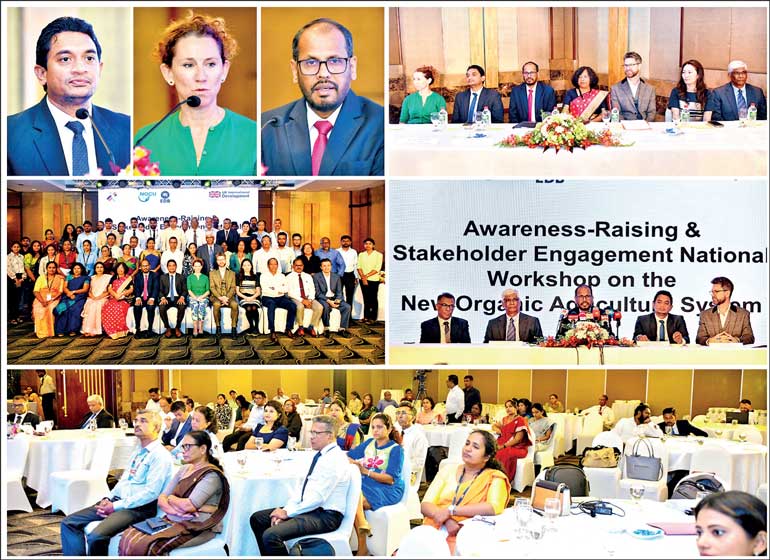
Sri Lanka is taking steps to align its national organic agriculture standards with international requirements, as the Export Development Board’s National Organic Control Unit (NOCU) begins a series of stakeholder awareness workshops on proposed changes to the legal and regulatory framework governing the country’s organic export sector.
Sri Lanka’s organic agricultural product export sector has recorded steady growth over the past three decades, positioning the country as a reliable exporter in the global organic market while generating significant foreign exchange earnings.
The global organic market is currently valued at approximately EUR 136.4 billion, with Sri Lanka earning over $ 0.5 billion annually from organic product exports. At present, the sector comprises nearly 400 certified organic exporters operating under a range of internationally recognised standards, including the Sri Lankan Organic Standard, EU Organic, USDA Organic, JAS, Demeter and Naturland. Collectively, these certifications cover more than 70,000 ha of agricultural land, with over 20,000 farmers certified as organic producers through exporter- and processor-led farmer groups.
The National Organic Control Unit (NOCU) has been established under the Export Development Board (EDB) in terms of regulations published under Section 29 of the Export Development Act No. 40 of 1979, as set out in Extraordinary Gazette No. 1870/71 dated 11 July. The EDB is designated as Sri Lanka’s Organic Control Body, responsible for the oversight and monitoring of the national organic agriculture system to safeguard its credibility in international markets.
As global requirements for organic agriculture evolve rapidly, sector stakeholders continue to face new challenges. In response, the EDB-NOCU has identified the need to upgrade the Sri Lankan Organic Standard (SLS 1324:2018) and the Sri Lanka Organic Regulations to secure mutual recognition with international organic standards.
To support this process, the EDB-NOCU has obtained technical assistance under the United Kingdom Trade Partnership Program (UKTP) to align Sri Lanka’s organic standards and regulations initially with the GB Organic Regulation, paving the way for recognition by the EU and other key export destinations.
The current series of workshops is intended to raise awareness among organic sector stakeholders on the proposed amendments to the regulatory framework, which are under development and yet to be formally Gazetted as the Sri Lanka Organic Regulations.




